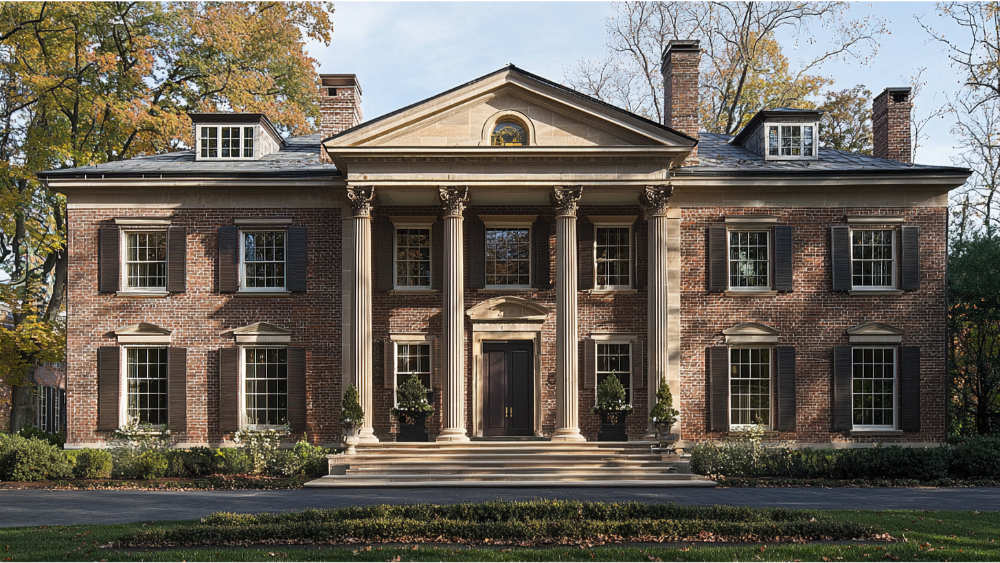
Everything You Want to Know About Georgian Architecture Interior Design
Georgian architecture is a style of architecture that was popular in England and the British colonies during the reigns of King George I to George IV from 1714 to 1830. It is characterized by its symmetry, proportion, and classical details. Georgian architecture influenced many aspects of design, including interior design.
History of the Early Georgian Design Style
Georgian architecture evolved from the earlier Baroque style, which was popular in Europe during the late 17th century, the Regency period. It was heavily influenced by the classical architecture of ancient Greece and Rome, known as neoclassical design. This style became popular due to the Renaissance movement, which emphasized a return to the ideals of classical antiquity.
Georgian architecture's emphasis on balance and order was a reflection of the Enlightenment ideals of the time, which valued reason, science, and a sense of harmony in all things. Architects of this period often adhered to strict mathematical ratios when designing buildings to ensure a sense of proportion.
The Palladian style, named after the Italian architect Andrea Palladio, greatly influenced Georgian architecture with its use of symmetry, grand columns, and pediments. The movement also coincided with the expansion of British trade and the establishment of colonies, which allowed wealthier clients to invest in homes and estates reflecting this refined style.
Georgian buildings and Georgian houses often featured brick or stone exteriors, large sash windows, and elegant interior details such as intricate cornices, fireplaces, and paneling. These features created a timeless aesthetic that remains admired and replicated to this day.
Characteristics of Georgian Architecture

Symmetry
One of the defining features of Georgian architecture is its symmetrical design. This can be seen in the overall shape of the building as well as in the placement of windows, doors, and other architectural elements. Rooms were often planned with a balanced layout, with doors and windows placed directly opposite each other to maintain a sense of order and harmony.
Proportion
Georgian architects would emphasize mathematical proportions, with a focus on geometric shapes such as squares and circles. This created a sense of balance and harmony in the design. Rooms were often designed with similar attention to proportion, ensuring that the width, height, and length of spaces followed classical ideals. This approach not only enhanced aesthetics but also contributed to the functionality and comfort of the interiors, creating spaces that felt orderly and inviting.
Classical Details
Georgian architecture drew inspiration from ancient Greek and Roman designs, incorporating elements such as columns, pediments, and arches. These details added a sense of grandeur to the overall design.
Multi-Paned Windows
Georgian homes often featured multi-paned windows with small individual panes separated by muntins. This not only added visual interest but also allowed for more natural light to enter the home.
Material Usage
Georgian architecture often emphasized the use of high-quality and durable materials such as brick and stone for exterior construction. These materials not only reflected the wealth and social status of the owners but also ensured longevity and resilience. The use of brick, particularly in red or brown tones, was common in urban settings, while rural Georgian homes might feature limestone or sandstone exteriors. Interiors saw the use of rich wood paneling, plasterwork, and decorative finishes that added to the sense of refinement.
Elaborate Doorways and Entrances
The entrances of Georgian buildings often served as focal points, showcasing intricate detailing and craftsmanship. Doorways were typically adorned with decorative fanlights, transom windows, and ornate pediments. Columns or pilasters flanking the doors created a stately and inviting appearance, and the use of wrought ironwork for railings or gates complemented the elegant façade.
Color Palettes
The Georgian color palette leaned towards muted and subdued tones that complemented the classical aesthetic. Popular colors included soft grays, creams, whites, and pastel shades such as sage green, powder blue, and dusky pink. These colors were often used for interior walls, woodwork, and furnishings, creating a cohesive and calming effect within the living spaces.
Georgian Interior Design

Georgian interior design style followed many of the same principles as its architectural counterpart. The interiors were characterized by symmetry, proportion, and classical detailing.
Some key features of Georgian interior design include:
Grand Foyers
The entrance of a Georgian home often featured a grand foyer with a winding staircase and marble floors, creating an impressive first impression.
Formal Layout
Georgian homes had a formal layout, with designated rooms for specific purposes such as a dining room, drawing room, and library. These rooms were often connected by large double doors to create an open flow.
Neoclassical Elements
As with the exterior architecture, Georgian interior design incorporated neoclassical elements such as columns, moldings, and decorative plasterwork.
Color Palette
The color palette in Georgian interiors was typically light and airy, with shades of cream, pale blue, and soft pastels. This created a sense of elegance and sophistication.
Fine Furnishings
Georgian interiors were often furnished with high-quality, handcrafted pieces made from fine woods such as mahogany, walnut, and cherry. These furnishings were ornate and featured classical details like scrolls and rosettes.
Modern Design with Georgian Elements

Georgian architecture and interior design continue to influence modern design in many ways.
Some examples of Modern Georgian Style include:
- Symmetry, proportion, and neoclassical detailing are still highly valued in the world of interior design. Many contemporary homes incorporate these elements to create a sense of balance and elegance.
- The color palette used in Georgian interiors has also stood the test of time. Soft pastels and light neutral tones are still popular in modern design, creating a timeless and classic look.
- Georgian furnishings and contemporary furniture have also made a comeback in recent years. Many designers incorporate antique or reproduction pieces inspired by Georgian design into their interiors to add a touch of sophistication and history.
- Georgian country houses have also influenced the popular style known as "English country" or "cottagecore." This style incorporates elements of Georgian design, such as multi-paned windows and classical details, with a cozy and rustic feel.
Skyline Build & Design
Why Choose Skyline Build & Design?
At Skyline Build & Design, we specialize in blending timeless elegance with modern functionality. Our expert team has a deep understanding of Georgian architecture and interior design principles, ensuring that every project we undertake reflects the classical beauty and sophistication that this style embodies.
Whether you’re looking to renovate your home, incorporate Georgian-inspired elements, or build a property from the ground up, Skyline Build & Design delivers unparalleled craftsmanship and attention to detail.
We pride ourselves on working closely with clients to bring their vision to life. From grand foyers and intricate plasterwork to finely crafted furnishings and balanced layouts, we excel at creating spaces that harmonize tradition with contemporary comfort.
With years of experience and a reputation for excellence, Skyline Build & Design is your ultimate partner for achieving the dream design you’ve always envisioned. Choose us for quality, elegance, and a design that truly stands the test of time.
Frequently Asked Georgian Architecture Interior Design Questions

What is the difference between Georgian and Victorian architecture?
Georgian architecture is characterized by its symmetrical design, proportion, and classical details whereas Victorian architecture tends to be more ornate with intricate details and asymmetrical designs. Additionally, Georgian architecture was popular during the reigns of King George I to George IV from 1714 to 1830 while Victorian architecture was popular during Queen Victoria's reign from 1837 to 1901.
Can Georgian interior design work in a modern home?
Yes, incorporating elements of Georgian-era interior design can add a touch of elegance and sophistication to modern Georgian homes. Using neoclassical elements, a light color palette, and high-quality furnishings inspired by Georgian design can create a timeless and classic look in any home. regency st
What are some common features of late Georgian period architecture?
Some common features include symmetrical design, proportion, neoclassical detailing, multi-paned windows, and grand foyers with winding staircases. Additionally, many Georgian homes also feature brick or stone exteriors and decorative cornices. Overall, the aim was to create a sense of grandeur and balance through classical design elements.
Conclusion
Georgian architecture and interior design have stood the test of time, with its timeless elegance and classical details still inspiring modern designers today. From grand foyers to symmetrical layouts, this style continues to influence the world of design in many ways. The balance and harmony inherent in Georgian design create spaces that feel both luxurious and inviting, making it a popular choice for those who value tradition and refinement.
At Skyline Build & Design, we pride ourselves on incorporating the beauty and sophistication of Georgian design into our projects, creating spaces that harmonize tradition with contemporary comfort. Whether it’s incorporating neoclassical details such as columns, and decorative plasterwork, or utilizing high-quality handcrafted furnishings, we ensure every aspect of your space reflects both your style and the classical principles that define Georgian interiors.
Our expertise extends to every detail, from the soft pastel palettes that exude elegance to the carefully proportioned layouts that offer functionality and flow. By blending these timeless elements with modern innovations, we deliver designs that are not only true to the Georgian style but also suited to the demands of modern living.