How to Make My Home More Energy Efficient
In today's world, energy efficiency has become a crucial aspect for both homeowners and the environment. With rising energy costs and concerns about climate change, it is essential to make our homes more energy-efficient.
By reducing our energy consumption, we not only save money on utility bills but also reduce our carbon footprint. Fortunately, making your home more energy-efficient doesn't have to be complicated or costly. In this guide, we will discuss some simple steps you can take to make your home more energy-efficient.
The Role of Renewable Energy in an Energy-Efficient Home
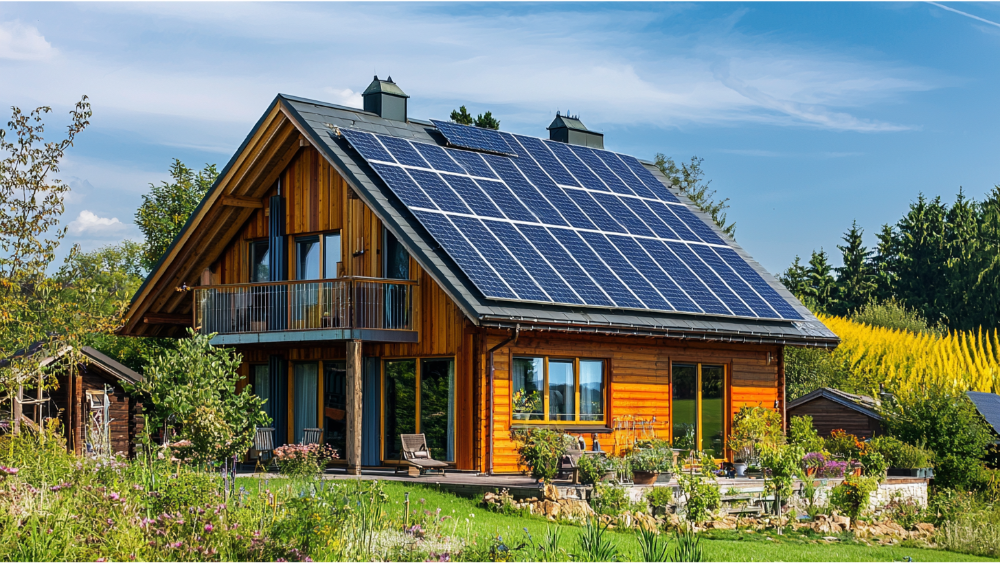
Renewable energy sources like solar, wind, and geothermal power can play a significant role in creating an energy-efficient home. These sources of energy are clean, and sustainable, and can significantly reduce your reliance on traditional fossil fuels.
Installing renewable energy systems may require a more significant upfront investment but can provide long-term benefits such as lower utility bills and increased self-sufficiency. Research different options and consult with professionals to determine the best renewable energy solutions for your home.
11 Different Ways to Make My Home Energy Efficient
1 | Check Your Insulation
One of the most effective ways to improve energy efficiency in your home is through proper insulation. Adequate insulation helps keep heat inside during winter and outside during summer, reducing the need for heating and cooling. Conduct an energy audit to determine if your home has adequate insulation in the walls, attic, and floors. If not, consider adding insulation to improve energy efficiency.
2 | Upgrade Your Windows
Windows play a significant role in maintaining the temperature inside a home. Old or poorly insulated windows can allow heat to escape during winter and enter during summer, making it harder for your HVAC system to maintain a comfortable temperature. Consider upgrading to double-paned windows or installing weather stripping around the frames to prevent air leaks.
3 | Switch to Energy-Efficient Appliances
Appliances account for a significant portion of energy consumption in most homes. Consider replacing old appliances with newer, more energy-efficient ones. Look for appliances with ENERGY STAR labels, which indicate that they meet strict energy efficiency guidelines set by the U.S. Department of Energy.
4 | Use LED Lighting
Lighting is another significant contributor to energy consumption in homes. Switching to LED lights can help save a significant amount of energy and money on utility bills. LED lights are more energy-efficient, have a longer lifespan, and produce less heat than traditional incandescent or fluorescent bulbs.
5 | Install Programmable Thermostats
Heating and cooling account for nearly half of the average home's energy consumption. Installing a programmable thermostat allows you to set specific temperature schedules throughout the day, reducing your HVAC system's workload and saving energy. You can also control the thermostat remotely through your smartphone, ensuring you never waste energy unnecessarily while away from home.
6 | Maintain Your HVAC System
Regular maintenance of your HVAC system is crucial for optimal energy efficiency. Change air filters regularly, seal any duct leaks, and schedule annual check-ups with a licensed professional to ensure your system runs efficiently.
7 | Use Appliances at Night
Using appliances like dishwashers, washing machines, and dryers during off-peak hours, often at night, can help you save both energy and money. Many energy providers charge lower rates for electricity usage during off-peak times when demand is lower. By shifting your usage of these appliances to nighttime, you can reduce strain on the power grid and take advantage of these discounted rates.
8 | Utilize Natural Light
Take advantage of natural light during the day to reduce your reliance on artificial lighting. Keep curtains open during daylight hours to let sunlight into your home. Additionally, consider using lighter-colored curtains or blinds that reflect light rather than absorb it. This simple step can significantly impact your energy usage and create a brighter, more comfortable living space.
9 | Plant Trees for Shade
Strategically planting trees around your home can help reduce the amount of sunlight that enters during summer, keeping your home cooler and reducing the need for air conditioning. Trees also act as natural air filters, improving air quality around your home.
10 | Install Low-Flow Fixtures
Installing low-flow fixtures, such as faucets, showerheads, and toilets, can significantly reduce water usage in your home without compromising performance. By conserving water, you also reduce the energy required to heat water, especially in showers and sinks. Look for WaterSense-labeled fixtures, as these are certified to be both efficient and effective, helping you save on water and energy bills over time.
11 | Upgrade to a Tankless Water Heater
Consider replacing your traditional water heater with a tankless or on-demand water heater. Unlike traditional models that continuously heat a large tank of water, tankless water heaters heat water only when needed, significantly reducing energy consumption. These systems are more efficient, take up less space, and have a longer lifespan compared to conventional water heaters. Although the initial cost is higher, the energy savings over time can make it a worthwhile investment.
Pros and Cons of An Energy Efficient Home
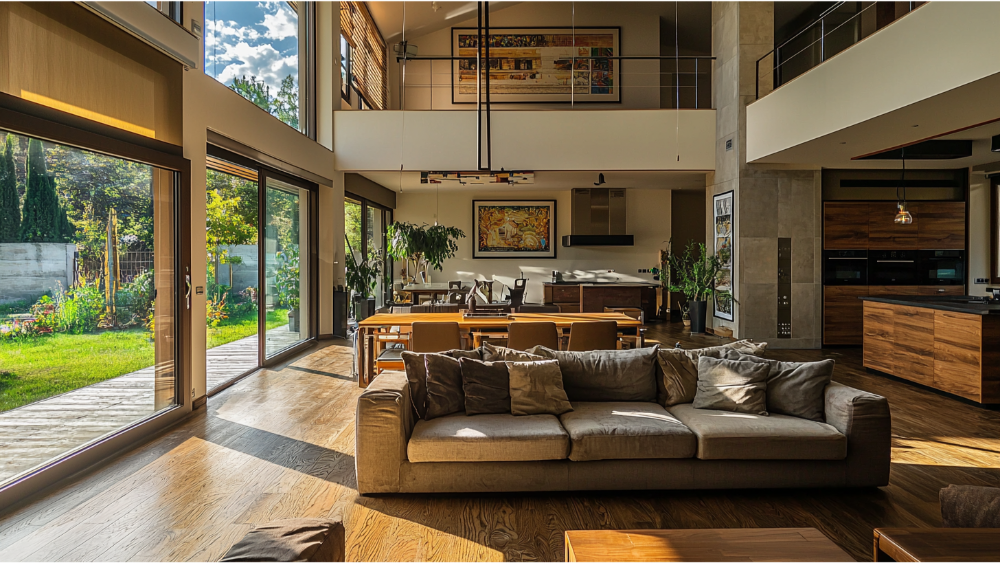
An energy-efficient home comes with numerous advantages, but it is also important to consider potential drawbacks. Understanding both the benefits and challenges can help you make informed decisions about implementing energy-saving measures in your home.
Below, we outline the pros and cons of creating an energy-efficient living space.
Pros:
- Lower energy bills
- Reduced carbon footprint
- A more comfortable living environment
- Increases the value of your home
Cons:
- Upfront costs for upgrades or renovations
- May require changes in lifestyle habits (e.g., using less hot water)
- Potentially high initial investment for renewable energy systems like solar panels
- Time and effort needed to research, plan, and implement energy-efficient upgrades
- Some older homes may require extensive modifications to achieve significant energy savings
Skyline Build & Design
About Skyline Build & Design
Skyline Build & Design is a trusted name in the home improvement and construction industry, specializing in crafting energy-efficient solutions for homeowners. Our mission is to help you create a comfortable, sustainable, and cost-effective living space.
From professional energy audits to implementing solutions like upgraded windows, improved insulation, and modern HVAC systems, we are committed to transforming your home into an energy-efficient sanctuary. With a team of skilled professionals, years of experience, and a focus on quality, Skyline Build & Design ensures that every project is tailored to meet the unique needs of our clients.
Whether you’re considering a simple upgrade or a complete home transformation, we’re here to provide innovative designs and effective solutions that align with your vision and energy-saving goals. Let us partner with you to create a greener and more efficient future for your home.
Frequently Asked How to Make My Home More Energy-Efficient Questions
How much energy can I save by making my home more energy-efficient?
The amount you can save depends on the extent of your energy-efficient upgrades. On average, energy-efficient homes can reduce utility bills by 20-30%. For instance, switching to LED lighting, installing a programmable thermostat, and upgrading your insulation can lead to significant savings over time.
Are there any tax incentives for making my home more energy-efficient?
Yes, there are federal and state tax credits available for certain energy-efficient upgrades to your home. Check with your local government or a tax professional for specific details.
Can I make my home more energy-efficient without spending a lot of money?
Yes, while some improvements may require upfront costs, there are also many simple and inexpensive ways to improve the energy efficiency of your home, such as using LED lights
What is the best way to start making my home more energy-efficient?
The best way to start is by conducting an energy audit of your home. This assessment can help identify areas where energy is being wasted and prioritize improvements, whether it’s sealing drafts, upgrading insulation, or replacing old appliances. Many utility companies offer free or low-cost energy audits to help homeowners get started. From there, you can develop a plan for making cost-effective upgrades that will have the biggest impact on energy savings.
Conclusion
Improving your home's energy efficiency is an investment that brings both immediate and long-term benefits. By taking steps like enhancing insulation, upgrading to energy-efficient appliances and windows, switching to LED lighting, and maintaining your HVAC system, you can significantly reduce your energy consumption and utility bills.
Additionally, installing programmable thermostats offers the convenience of controlling your home's temperature efficiently, even when you're away. These upgrades not only cut costs but also contribute to a greener planet by lowering your carbon footprint.
With guidance from trusted experts like Skyline Build & Design, achieving a more energy-efficient home has never been easier. Whether it's conducting an energy audit, improving insulation, upgrading your systems, or implementing modern solutions tailored to your specific needs, Skyline Build & Design can help turn your home into a sustainable and comfortable haven. Start making these changes today to enjoy a healthier living environment and a more economical future.