Is it Cheaper to Build or Buy a Home? Everything You Need to Know
The decision to build or buy a home is one of the biggest financial decisions a person can make. It involves considering various factors such as budget, location, and personal preferences. While both options have their pros and cons, it ultimately boils down to which option is more cost-effective in the long run.
Should I Build or Buy a Home?
Determining whether it is cheaper to build or buy a home depends on several variables, but generally, buying an existing home is often the more affordable option upfront. Purchasing a pre-built home typically involves lower costs due to economies of scale and reduced construction timelines. However, building a home gives you the ability to customize features, select energy-efficient materials, and avoid potential renovation expenses that might arise with older homes.
On the downside, building comes with additional costs such as land acquisition, permits, labor, and materials, which may exceed the price of an existing home. Therefore, while buying is usually cheaper upfront, building may offer better value for those looking to tailor their living space to specific needs and preferences.
Factors to Consider

Several factors play a crucial role in determining whether building or buying a home is cheaper. These Include:
Cost of Land
One of the key factors in determining the cost of building or buying a home is the price of land. The location and size of the land greatly impact its price. If you plan on building your own home, you will need to purchase a plot of land, which can be a significant upfront expense. On the other hand, when buying an existing home, the cost of land is already included in the price.
Construction and Material Costs
Another important factor to consider is the cost of construction and materials. Building a home from scratch gives you the freedom to choose your design and materials, but it also means you have to bear all the associated costs. This includes hiring a contractor, purchasing building supplies, and paying for labor. In contrast, buying an existing home often means these costs are already factored into the overall price.
Location
The location of your home is another significant factor in determining whether building or buying is cheaper. In some areas, the cost of land and construction may be relatively low, making it more cost-effective to build a home. However, in other areas where the housing market is booming, buying an existing home may be a more affordable option.
Personal Preferences
Ultimately, your personal preferences and lifestyle will also play a role in this decision. Some people prefer the idea of building their dream home from scratch, while others may not have the time or resources to take on such a large project. It's essential to consider what you value most in a home and which option aligns best with those values.
Maintenance and Additional Costs
Building a new home can reduce initial maintenance expenses since the structure and systems are brand new and often under warranty. However, unexpected construction costs like delays or design changes may arise. Buying an existing home may involve hidden maintenance costs, such as repairs or upgrades, along with ongoing expenses like property taxes, insurance, and association fees. These factors should be considered when comparing the overall costs of building versus buying.
Long-Term Cost Comparison Page
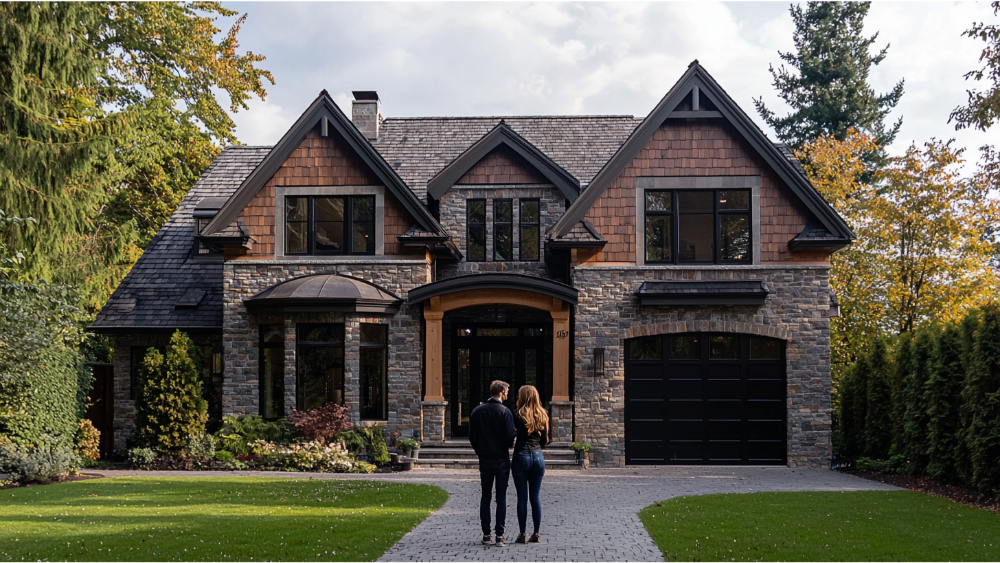
When considering whether to build or buy a home, it's essential to think about the long-term costs. While creating a home may have a higher initial cost, it can save you money in the long run. This is because newer homes typically have lower maintenance and utility costs due to more energy-efficient materials and appliances.
On the other hand, searching and buying an existing home may have fewer upfront costs, but it could require more significant expenses for repairs and upgrades over time. It's important to consider these long-term costs when making your decision carefully.
Energy Efficiency and Utility Savings
Building a new home allows for the integration of energy-efficient technologies, such as advanced insulation, energy-efficient windows, and smart appliances, which can lower utility costs over time. While these features may offset higher construction costs, older homes often lack them and may require expensive upgrades, leading to higher interim utility expenses.
Resale Value
The resale value is another critical long-term factor to consider. Newly built homes are often constructed according to current market trends and standards, which can make them more appealing to future buyers. A custom-built home that reflects your taste and modern designs may fetch a higher selling price if you decide to move. On the other hand, buying an existing home could mean it may be outdated in terms of style or functionality, potentially reducing its resale value unless significant renovations are made to improve it.
Customization versus Compromise
Building a home offers unparalleled customization options, allowing you to design every detail from the ground up to suit your needs and preferences. This includes the layout, finishes, and special features you might desire, such as an open-concept kitchen or smart home devices. However, customization can come with additional expenses and time commitments. When buying an existing home, you may need to compromise on certain features or invest in renovations to align the home with your vision, which can add to the long-term costs.
Mortgage and Financing Considerations
The methods of financing building versus buying also differ and can impact long-term affordability. Construction loans, which are often used for building homes, typically have higher interest rates and shorter terms than traditional home loans. These loans require repayment as construction progresses, potentially leading to higher monthly costs in the short term. Conversely, traditional mortgages for existing homes usually offer lower interest rates, and buyers may have access to fixed-rate options that provide consistent, predictable payments over time.
Environmental Impact
Building a sustainable home may have higher upfront costs due to specialized materials and designs, but it can lower energy consumption and maintenance costs over time. Older homes might not meet modern environmental standards, leading to higher operational expenses and a larger carbon footprint. Considering environmental factors can provide both financial and ecological benefits in the long run.
Pros and Cons of Building a Home
Pros:
- Customization: Building a home allows you to design and personalize every aspect of your house.
- Quality Control: As the owner, you have more control over the quality of materials and construction.
- Modern Features: A newly built home can come with modern features such as energy-efficient appliances and smart technology.
Cons:
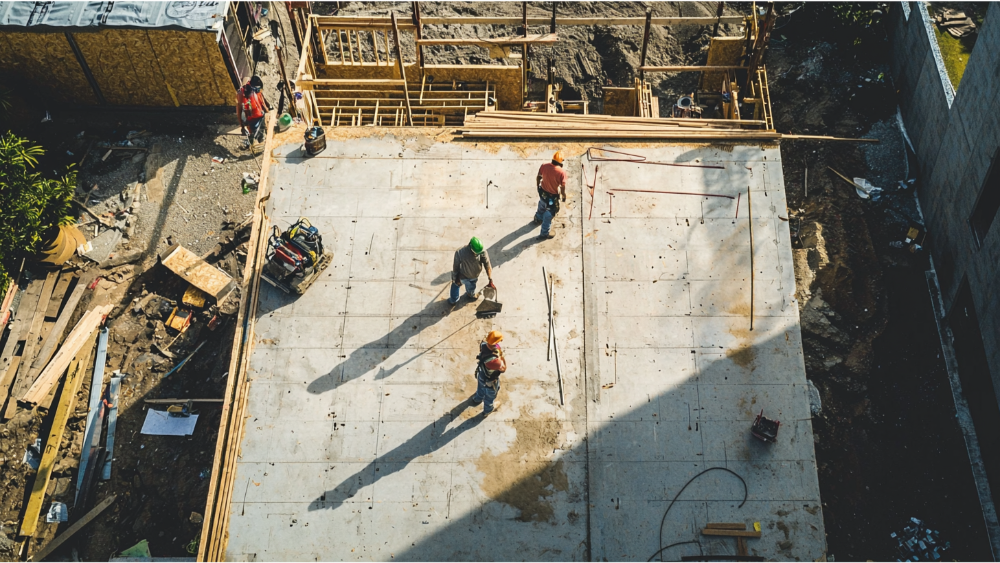
- Higher upfront costs: Building a new home often requires a significant amount of money upfront for land, permits, and construction.
- Time-consuming: The process of building a home can take several months or even years to complete, depending on various factors.
Pros and Cons of Buying an Existing Home
Pros:
- Lower upfront costs: Buying an existing home typically has lower upfront costs since the land and construction have already been paid for.
- Quicker move-in: You can move into an existing home much sooner than if you were to build one from scratch.
- Established neighborhood: Buying a home in an established neighborhood means access to amenities and services that may not yet be available in a new build area.
Cons:
- Limited customization: Existing homes may not meet all of your design preferences, and significant renovations can be costly.
- Maintenance costs: As with any older property, there may be more maintenance and repair costs associated with buying an existing home.
Skyline Build & Design Inc
Why Choose Skyline Build & Design?
Skyline Build & Design is your trusted partner for all home-building and purchasing needs. Whether you want to construct your dream home from the ground up or buy an existing property, we bring expertise, dedication, and quality to every project. Our mission is to create spaces where memories are made and dreams become a reality.
We specialize in custom home building, ensuring that every aspect of your new home reflects your vision. From the initial design to the final touches, we work closely with you to deliver a personalized, high-quality home using the best materials and modern construction techniques. For those looking to buy an existing home, we have expert guidance to help you find the perfect property and seamlessly explore renovation opportunities if needed.
With Skyline Build & Design LLC, the process is smooth, transparent, and focused on your satisfaction. From permits to construction timelines or locating your ideal home, we take care of everything to make your experience stress-free. Trust us to transform your ideas into reality with unparalleled craftsmanship and care. For any information you may need, make sure to take a look on our site and use our search bar to find the right page for you.
Frequently Asked Is It Cheaper to Build or Buy a Home Questions
Can I customize an existing home if I buy one?
Yes, you can make renovations and upgrades to an existing home to customize it to your liking. However, keep in mind that significant renovations can be costly and may not always be feasible depending on the structure of the home.
How do I know if building or buying is the right choice for me?
Consider factors such as cost, location, personal preferences, and long-term expenses when making this decision. It's also helpful to consult with a professional builder or real estate agent who can provide expert guidance based on your specific needs and situation.
Do I need a real estate agent when building a custom home?
While it's not required, having a real estate agent can be beneficial in navigating the building process and ensuring that all legal, financial aspects, realtors, and listings are taken care of. They can also assist with finding land for construction and negotiating contracts with builders. However, if you choose to work directly with a builder, they may have their services for these tasks. Ultimately, it comes down to personal preference and what will make you feel most comfortable throughout the process.
Conclusion
Deciding whether to build or buy a home is a highly personal choice that depends on factors like cost, location, personal preferences, and long-term considerations. Building a home offers the unique advantage of complete customization and modern features, but it often involves higher upfront costs and a lengthier timeline. On the other hand, buying an existing home can be a quicker and more affordable option, though it may come with limitations in design and potential maintenance expenses over time.
At Skyline Build & Design, we understand that this decision can be challenging, and we are here to guide you every step of the way. With our expertise in custom home building and real estate, we ensure that your vision becomes a reality, whether you're crafting your dream home from scratch or finding the perfect existing property to match your needs.