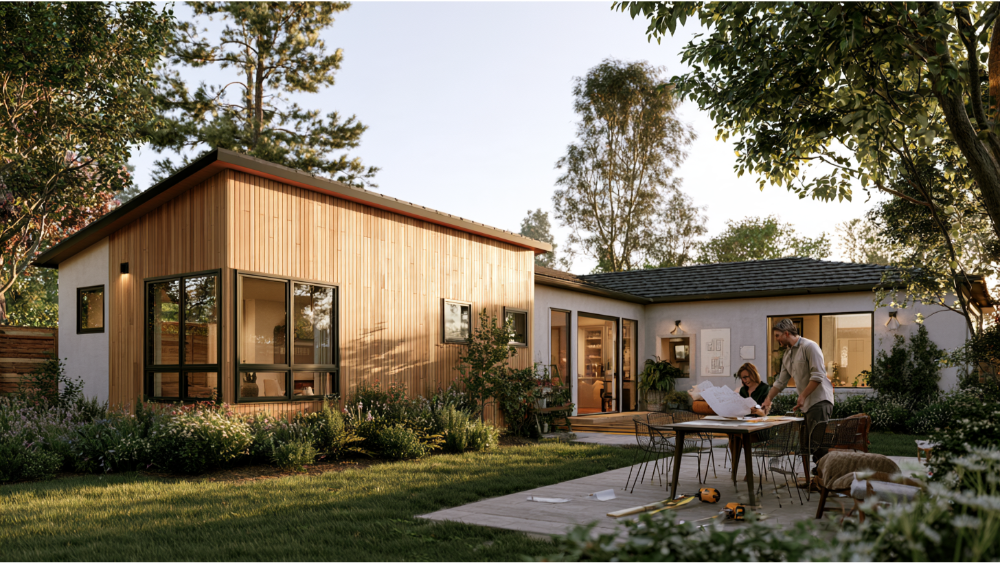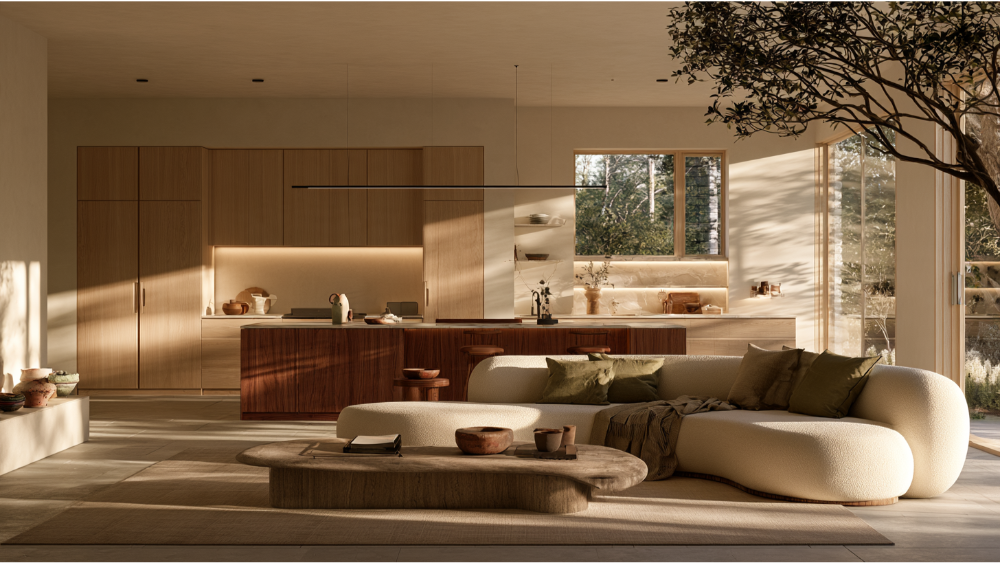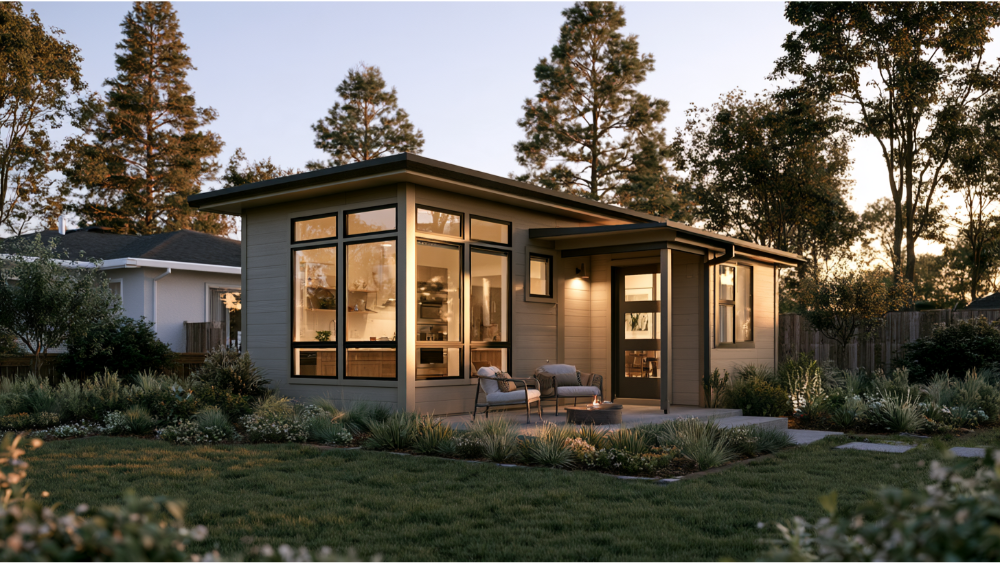
The Homeowner's ADU Handbook: A National Step-by-Step Guide
Key Takeaway
An ADU handbook is a step-by-step guide covering zoning, design, permitting, construction, and occupancy for an accessory dwelling unit. Rules vary significantly by city, county, and state, so local verification is essential before you build. In California alone, annual ADU permits grew from roughly 1,300 to nearly 27,000, showing how mainstream these projects have become.
An ADU handbook is a step-by-step guide that takes you from first planning through design, permitting, construction, and occupancy of an accessory dwelling unit. This is a national homeowner's handbook, written for anyone weighing an ADU who feels both excited and a little anxious about the commitment. One thing to know up front: zoning, size, setbacks, parking, and permits vary by city, county, and state, so you'll always need to verify the rules that apply to your property locally.
What Is an ADU and What Does an ADU Handbook Cover?
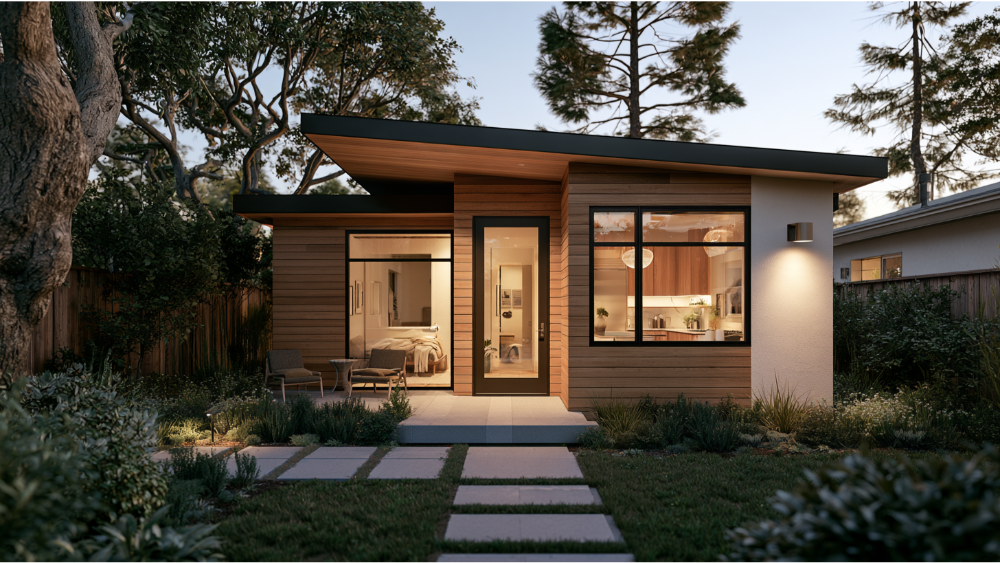
An ADU is an independent living space with its own cooking, bathroom, sleeping area, and entrance. That independence is the key difference. A guest room, a home office, or a tiny home on wheels isn't an ADU. A handbook is your roadmap: it covers zoning rules, building requirements, and design standards, and these documents are often published by local government agencies or planning departments. Reviewing one early helps you avoid costly mistakes. ADUs have become mainstream. In California, for example, annual ADU permits grew from about 1,300 to nearly 27,000, and they now represent over 21% of new housing (California-specific figures, not national). ADUs can even be built on lots with multifamily buildings.
Can You Build an ADU? Rules to Verify With Local Agencies
Whether you can build depends on rules you must confirm with your local agencies:
- Zoning eligibility
- Maximum size and height
- Setbacks from property lines
- Parking requirements
- Owner-occupancy rules (these can restrict renting)
- Landscaping and drainage limits
- Utility connection rules
- Permit and impact fees
These vary by city, county, and state. California requires ministerial ADU approval within 60 days and state law supersedes conflicting local ordinances (a California example that shows why local verification matters). We know the permitting processes across Sacramento and the Bay Area, and we recommend talking to your local agency early.
The ADU Handbook Step-by-Step Guide: From Planning to Occupancy
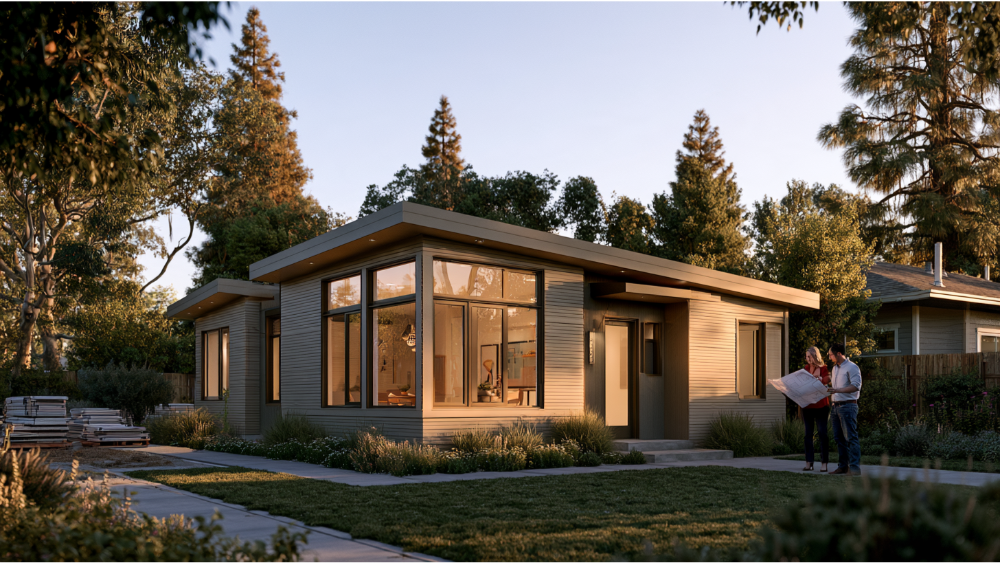
- Confirm your purpose and who will live there.
- Check feasibility and local rules.
- Find design inspiration and shape the concept.
- Plan your financing.
- Work with professionals on permit-ready plans.
- Handle permitting: documents, approvals, inspections.
- Build, with regular updates as we monitor construction.
- Final walkthrough and occupancy.
With one coordinated design-build team handling drafting through construction, there are fewer handoff gaps. Our 3D rendering and visualization lets you confirm your vision before anything is built. We'll be honest, too: not every property fits the original idea, and finding that out early protects your investment. If you're ready to explore yours, contact us today to schedule a free consultation. We would love to join you in your unique project.
ADU Handbook FAQ
What is the maximum height limit for an ADU in California?
Height limits are set by local codes and state law. Verify with your local agency rather than assuming one number.
What is the cheapest option for an ADU?
Converting existing space, like a garage, is often the most affordable, though site conditions matter. Don't chase the lowest price over the right scope.
Is it cheaper to build an ADU or buy a prefab?
It depends on site work, utilities, and finishes. Compare total project cost, not the sticker price.
Can I rent out my ADU in California?
Often yes, but owner-occupancy and short-term rental rules vary locally. Confirm before you commit.