Home Remodeling Grants: Who Actually Qualifies and What the Money Covers
Key Takeaway
Home remodeling grants exist but are targeted, not universal. Federal programs like the USDA Section 504 grant offer up to $10,000 for rural homeowners age 62 or older with very low income, while veterans, tribal members, disaster survivors, and people doing accessibility or energy-efficiency work may qualify for separate assistance. Most home remodeling grant programs fund health, safety, or accessibility repairs rather than cosmetic upgrades.
Are Home Remodeling Grants Real? The Honest Answer
There is no universal federal grant that pays for an ordinary remodel. Real assistance does exist, but it is targeted to specific homeowners and specific projects: very-low-income rural seniors, eligible veterans, members of federally recognized tribes, disaster survivors, and people doing accessibility or energy-efficiency work. Your home is personal, and the financial side of improving it is real, so we want to be straight with you from the start. Most of this money focuses on removing health and safety hazards, not on cosmetic finishes. This guide is for homeowners researching how to fund repairs or a remodel, written for a national audience.
What Does "Home Remodeling Grant" Actually Mean?
People use "grant" loosely, and that causes real confusion. Here is how the main funding types actually differ:
- True grant: money you generally don't repay, though conditions can trigger repayment.
- Rebate: money back after qualifying work is done, not paid upfront.
- Direct repair service: a program does the work (like weatherization) instead of cutting you a check.
- Forgivable or deferred loan: a loan that is forgiven over time or repaid later, sometimes called a "grant" loosely.
- Low-interest loan: borrowed money at a reduced rate.
- Tax credit: a reduction in taxes owed, not cash in hand.
These terms are not interchangeable. Some programs advertised as grants are really loans with repayment strings attached, so read the fine print before you assume anything is free.
Quick Eligibility Guide: Which Programs Fit Your Situation
Most programs require you to own and occupy the home as your primary residence. Find the row that sounds like you.
| Your situation | Where to look first |
|---|---|
| Rural homeowner, age 62+, very low income | USDA Section 504 grant |
| Low-income household | Local CDBG rehab, weatherization |
| Veteran or service member | VA housing adaptation grants, HISA |
| Member of a federally recognized tribe | BIA Housing Improvement Program |
| Older adult or person with a disability | Accessibility and home modification programs |
| Disaster survivor | FEMA home repair assistance |
| General homeowner wanting an elective remodel | Usually financing, not grants |
The 504 Home Repair Program: USDA Grants and Loans for Rural Homeowners
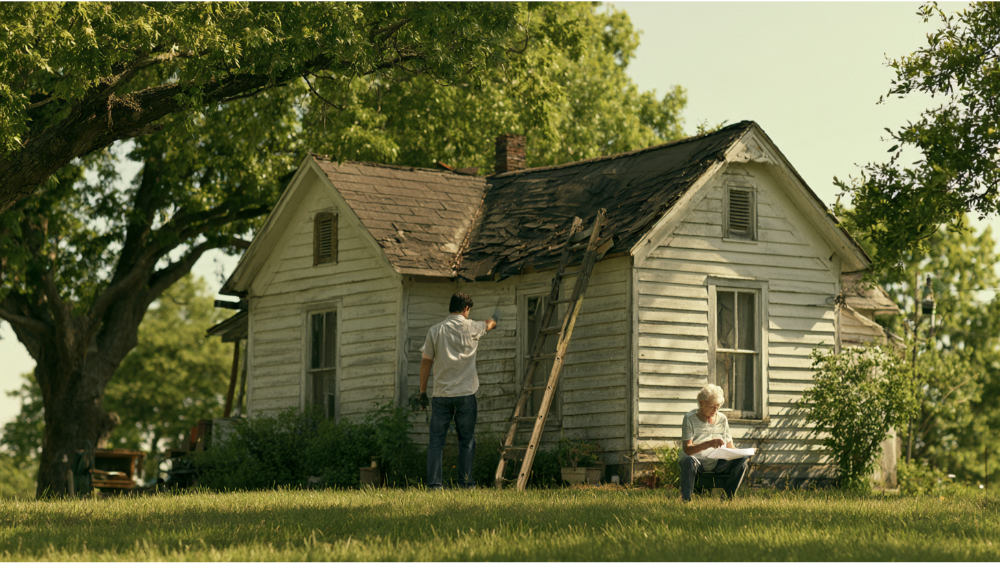
The USDA Single Family Housing Repair Loans and Grants program (Section 504) is one of the clearest federal options for individual rural homeowners. To qualify for the grant portion, you generally must:
- Own and occupy the home.
- Live in a USDA-eligible rural area.
- Be age 62 or older.
- Have household income within the very-low-income limit.
- Be unable to obtain affordable credit elsewhere.
The loan portion goes up to $40,000 at a fixed 1% rate over 20 years. The grant portion goes up to $10,000, and combined assistance can reach $50,000. Grant funds are restricted to removing health and safety hazards, not a cosmetic kitchen upgrade. If you sell the home within three years, the grant must be repaid. Applications are accepted year-round, subject to available funding. These figures change, so confirm current limits with USDA Rural Development before you count on them.
Home Improvement Grants and Benefits for Veterans
The VA offers several programs tied to service-connected disabilities. Specially Adapted Housing (SAH) and Special Home Adaptation (SHA) grants fund accessibility construction for qualifying disabilities. Temporary Residence Adaptation (TRA) helps when a veteran is living in a family member's home. The Home Improvements and Structural Alterations (HISA) benefit covers medically necessary changes like ramps, roll-in showers, and lowered sinks or counters. Each has its own eligibility rules and lifetime limits. VA dollar amounts are adjusted periodically, so verify the current figures on VA.gov before you make plans or sign a contract.
Tribal Housing Repair Assistance (BIA HIP)
The Bureau of Indian Affairs Housing Improvement Program serves members of federally recognized tribes and Alaska Native households. Core eligibility includes tribal membership, residence in an approved service area, income at or below 150% of HHS poverty guidelines, substandard housing, and no other resource for suitable housing help. Assistance comes in categories: up to $7,500 for interim repairs that address health and safety threats, and up to $60,000 to bring a home to applicable code standards. The program is administered locally through tribes or BIA offices and is not an entitlement, so funding and applicant ranking affect whether you receive help.
Weatherization and Energy Efficiency Programs
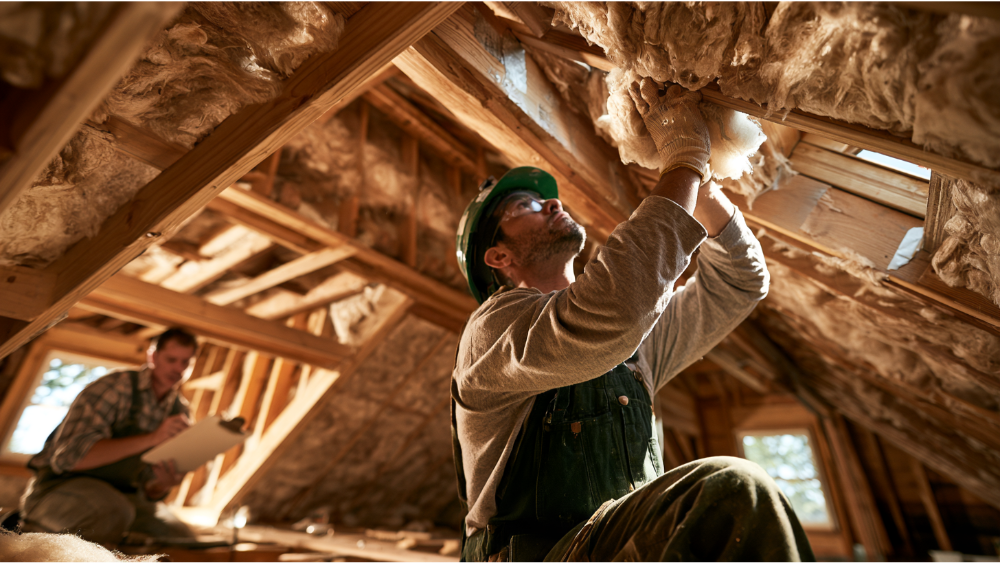
Three different things often get lumped together here. The Department of Energy's Weatherization Assistance Program provides services, not cash: insulation, air sealing, and efficiency or safety work found during an assessment. Eligibility generally means income at or below 200% of federal poverty guidelines, receiving SSI, or meeting a state's LIHEAP standard of 60% of state median income. Both homeowners and renters may apply, and you may be placed on a waitlist.
Separately, Home Energy Rebates are rebates, not grants. HOMES rebates reach up to $8,000 for whole-home projects meeting at least 20% modeled savings, and High-Efficiency Electric Home Rebates reach up to $14,000. These are run by states, territories, and tribes where launched. One correction worth noting: the federal residential energy tax credits under Sections 25C and 25D ended for new work placed in service after December 31, 2025. None of these are general remodeling grants.
State, County, and City Home Repair Programs
A lot of federal money reaches homeowners through local programs, not directly from HUD. Community Development Block Grant (CDBG) and HOME funds go to cities, counties, states, tribes, and nonprofits, which then decide whether to run an owner-occupied repair program. At least 70% of CDBG funding must benefit low- and moderate-income people over the recipient's chosen period, but that does not mean 70% goes to home repair. You cannot apply to HUD directly for these dollars. When you search your local agency sites, look for terms like owner-occupied rehabilitation, critical home repair, emergency home repair, home preservation, accessibility modification, healthy homes, and lead hazard reduction. Availability, limits, and application windows vary widely by location.
Disaster Home Repair Assistance from FEMA
FEMA may provide Home Repair Assistance when your property sits in a declared disaster area, you own and primarily occupy it, the disaster made it unsafe to live in, and insurance or another source does not cover the loss. The goal is a safe, sanitary, and functional home, not an elective remodel. The latest located housing-assistance maximum is $44,800 for qualifying declarations on or after October 1, 2025, but that is an overall cap, not a guaranteed repair award. It changes annually and depends on verified eligible damage, so check the figure for your specific declaration.
What Grants Cover and What They Usually Don't\
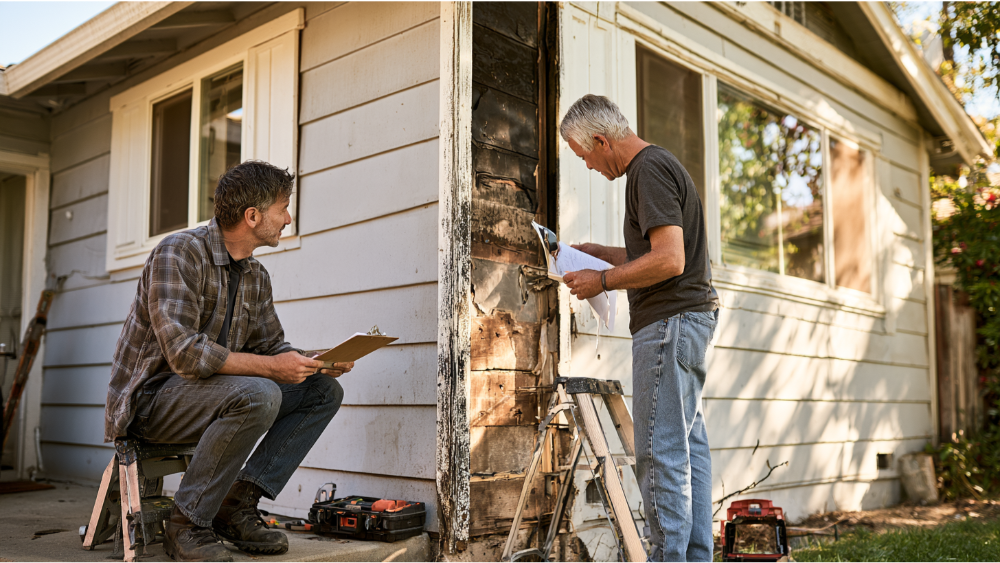
Commonly covered:
- Unsafe roofing and structural hazards
- Electrical and plumbing dangers
- Failed heating or other essential systems
- Lead hazards and accessibility modifications
- Energy-efficiency work and disaster damage
Usually not covered:
- Cosmetic kitchen or bathroom updates and premium finishes
- Pools, elective room additions, and décor
- Luxury upgrades
- Second homes or investment properties
Here is the honest bridge: a grant may fund the safety or accessibility portion of a larger project while other financing covers the remodel you actually envision. Sorting the necessary repair from the elective improvement is where good planning pays off.
How to Find Programs and Avoid Scams at Your Address
Work this search order, in roughly this sequence:
- City or county housing or community development department
- State housing finance or housing department
- Local weatherization provider
- USDA Rural Development office
- VA or BIA, where relevant
- Area Agency on Aging or local disability-services organization
- HUD-approved housing counseling resources
Do not begin work until the program confirms its rules and approved scope. Starting early can jeopardize your eligibility. Watch for scams too: upfront processing fees, "guaranteed approval," requests for gift cards or wire transfers, pressure to act immediately, applications on unrelated commercial domains, and anyone claiming Grants.gov offers personal home-repair money. It does not.
Frequently Asked Questions
What is the 504 home repair program? It is USDA's Single Family Housing Repair Loans and Grants program. The loan goes up to $40,000, the grant up to $10,000, and combined assistance up to $50,000. The grant portion is for very-low-income homeowners age 62 or older to remove health and safety hazards.
Who qualifies for the $10,000 home improvement grant? That is the USDA Section 504 grant: a rural homeowner who owns and occupies the home, is 62 or older, and has very low income. It must be repaid if you sell the home within three years.
Do home repair grants have to be repaid? Generally no, unless a condition is triggered, such as selling a USDA-grant home within three years. Some programs labeled "grants" are actually forgivable or deferred loans, so confirm the terms.
Will a grant pay for a kitchen remodel? Rarely. Grants target health, safety, accessibility, energy, and disaster repair. A cosmetic kitchen or bathroom remodel usually needs other financing.
Turning Your Funding Plan Into a Clear Design and Build
We'll be honest: Skyline Design Build is not a grant administrator, and we cannot secure approval for you. Our role starts once you understand your funding. We help define a realistic scope, separate the necessary repairs from the elective improvements you want, develop plans and visualizations, and coordinate design, permitting, and construction through one integrated team across Greater Sacramento and the Bay Area. If you have an approved budget or a realistic funding plan and want help shaping it into a clear project, we would love to join you in your unique project. Schedule your free consultation by calling (916) 701-9196 or reaching out through our contact form.