Build-on-Your-Lot Builders: The No-Surprises Guide to Choosing the Right Team
Key Takeaway
Build-on-your-lot builders construct a new home on land you already own or plan to purchase, rather than selling a finished house-and-lot package together. The 2025 national median contract price for contractor-built homes was $404,000, but that figure excludes land and later changes. Always compare the complete project budget, not just the house price, and verify your lot's feasibility before signing anything.
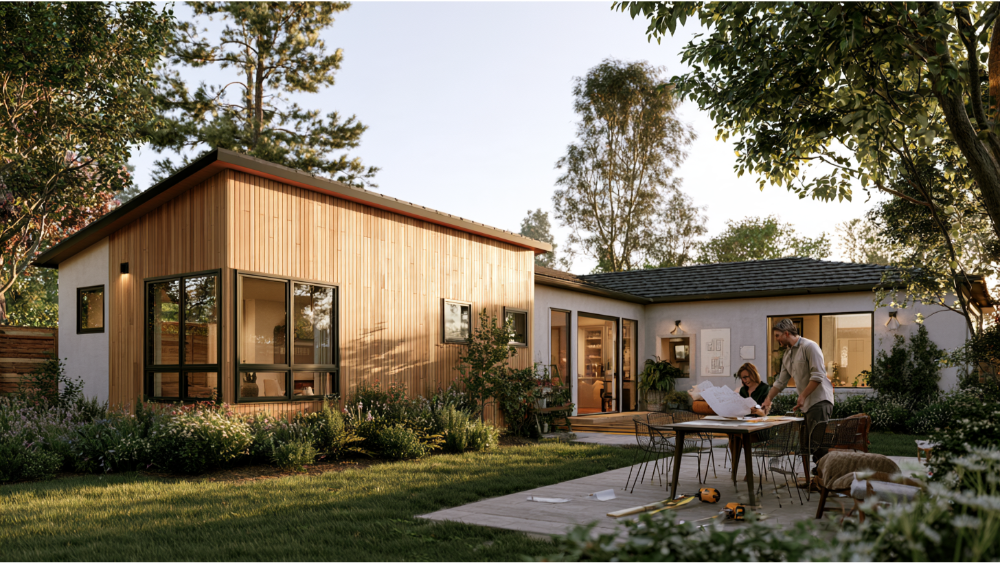
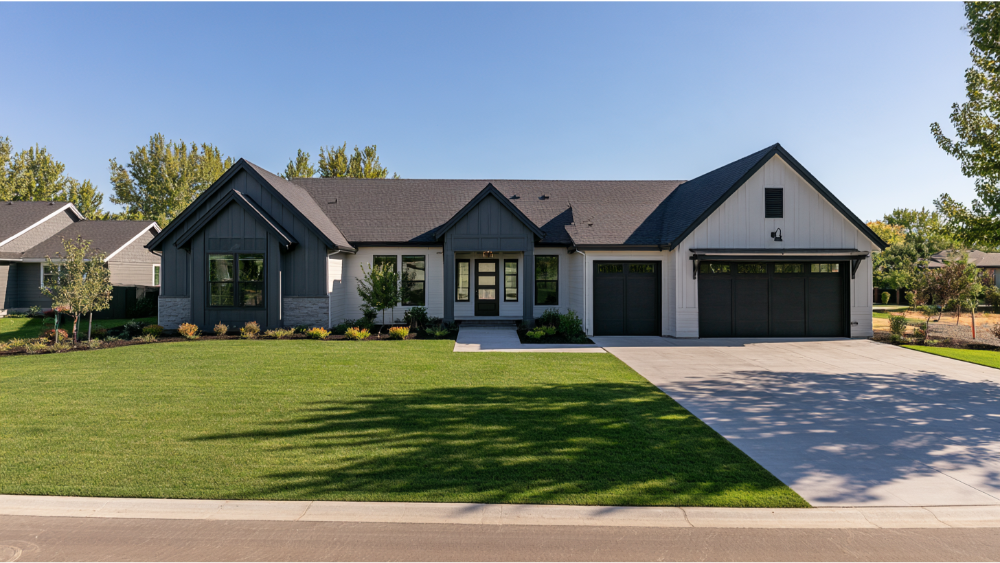
A build-on-your-lot builder constructs a new home on land you already own or plan to buy, instead of selling you a finished house and lot together as one package. The U.S. Census Bureau calls this a contractor-built house: a home built for the owner, on the owner's land, under a single general contractor. If you have a vision and a lot (or a lot in mind), this guide shows you how to find, vet, and confidently choose the right builder. One idea runs through all of it: compare the complete project, not just the house price.
The Three Main Types of Build-on-Your-Lot Programs
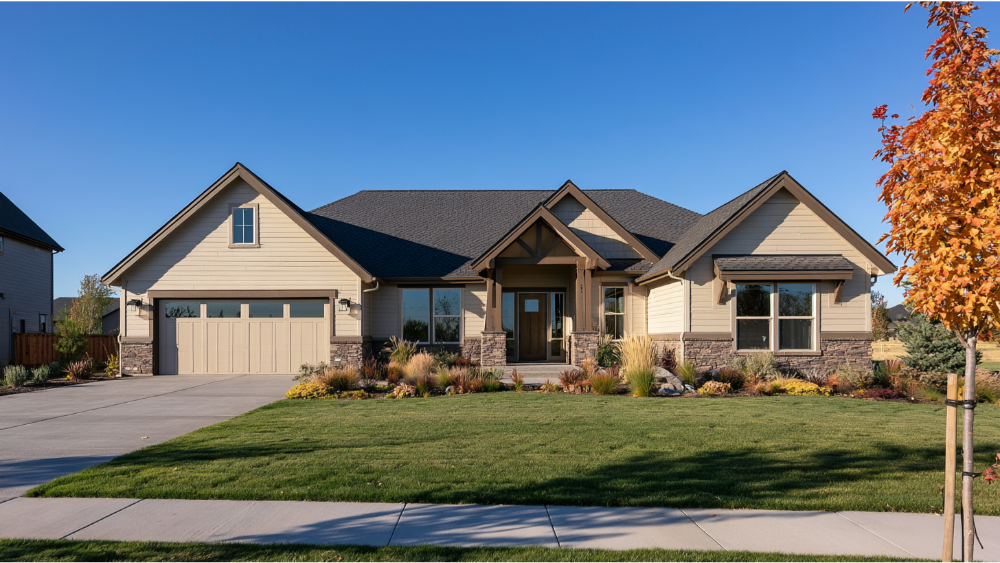
Not every builder means the same thing by "build on your lot." Before you compare floor plans or price, find out which model a builder actually offers:
- Production plan on your land: a fixed catalog floor plan placed on your lot with limited options.
- Semi-custom plan: a base floor plan you can modify within an approved set of changes.
- Fully custom design-build: a custom home designed from scratch around your lifestyle, budget, and dream.
Production floor plans suit families who want speed and predictability. Fully custom work suits homeowners who want to personalize nearly every detail, down to the square footage of each room. Semi-custom floor plans sit in between, letting you adjust a proven layout to fit how you actually live.
Do You Need to Own the Land First?
No. You can begin planning before you buy. In fact, builder input before purchase can save you from an expensive mistake, because a thorough look at the property reveals costs and constraints a listing never mentions. When you talk to home builders early, bring what you have: the address or parcel number, any survey, the deed, HOA or deed restrictions, utility details, and a preliminary budget.
Is Your Homesite Actually Ready to Build On?
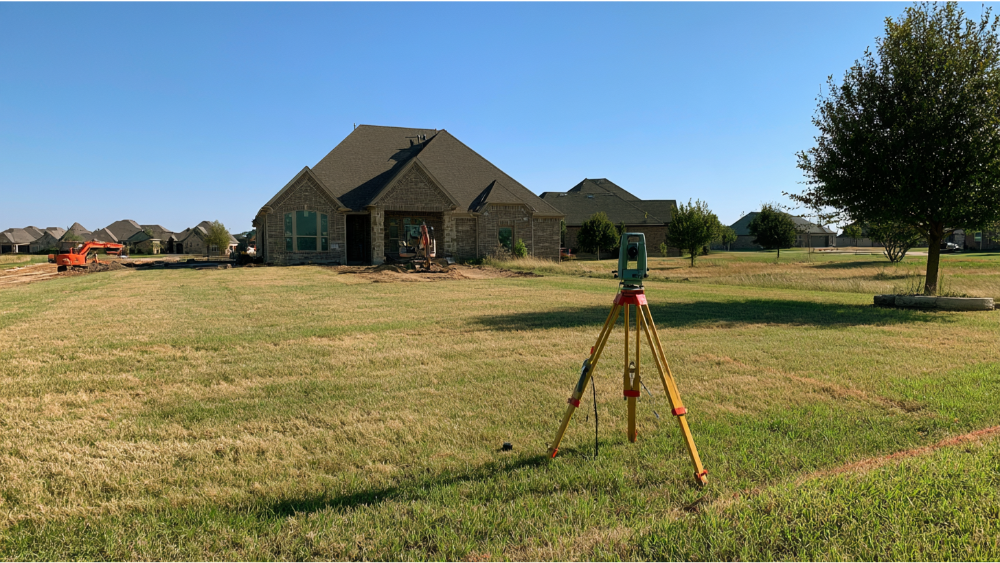
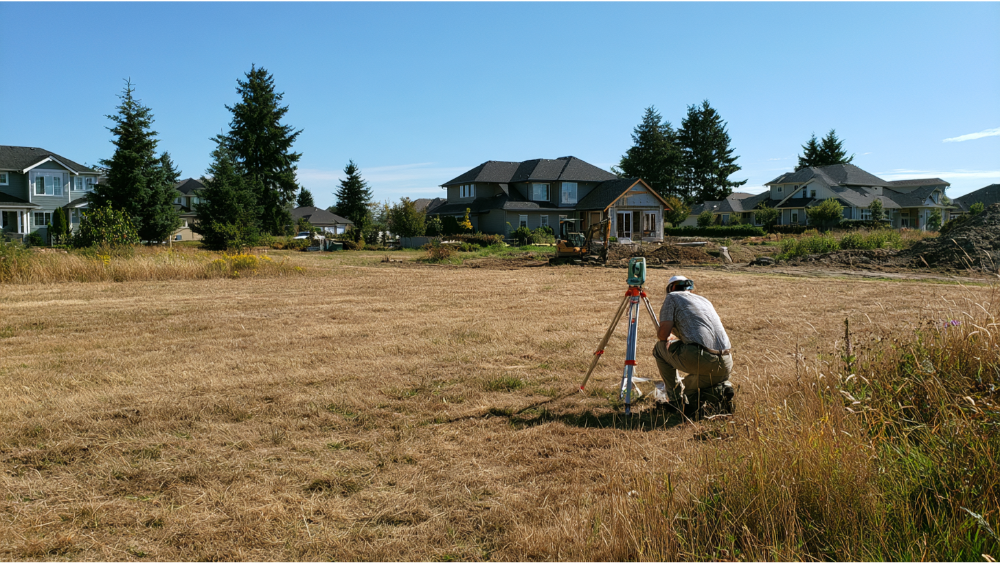
A lot can be zoned residential and still be impractical for the home you want. Setbacks, drainage, access, or utility distance can all get in the way. A homesite review should look at:
- Zoning, permitted use, and building setbacks
- Easements and deed restrictions
- Survey and boundaries
- Flood and drainage conditions
- Soil, slope, and foundation needs
- Sewer or septic feasibility, water or private well
- Utilities, driveway, and construction access
- Clearing or demolition
Tools like the FEMA Map Service Center, the USDA Web Soil Survey, and EPA septic guidance are useful early screening steps for your homesite, then confirmed with local authorities and qualified professionals. Zoning and permit rules vary by jurisdiction, so the lot's specifics always win.
What Should the Total Project Budget Include?
A house-only estimate is not a complete project budget. Ask every builder for a written inclusion-and-exclusion schedule, then organize the real numbers into buckets:
- Land and any existing land debt
- Design, drafting, surveys, and engineering
- Permits and approvals
- Main house construction
- Site prep and foundation conditions
- Utilities, well, and septic
- Driveway and exterior work
- Design selections and allowances
- Financing and carrying costs
- Contingency and approved changes
For context, the 2025 national median original contract price for contractor-built homes was $404,000, but Census notes that figure excludes the land and any later changes. It shows exactly why a headline price never tells the whole story. If energy efficient systems matter to you, name them early so they land in the scope rather than arriving as a surprise allowance.
How Does Build-on-Your-Lot Financing Work?
A construction loan, as the CFPB defines it, is a short-term loan released in draws as work progresses. You'll generally see three models: construction-only, construction-to-permanent (one closing that converts to a mortgage), and builder-financed. FHA, USDA, and VA all recognize construction-to-permanent options, though eligibility differs, so treat them as possible paths, not guarantees. Land equity may count toward your financing. Before you sign, ask who obtains the loan, who holds title during construction, how draws are approved, when payments begin, and how change orders get funded.
How to Compare New Home Builders
Judge proposals on equal terms, not just bottom-line numbers. The FTC recommends getting multiple written estimates, confirming licensing and insurance, requesting references, and never defaulting to the lowest bid without understanding why it's low. When you're searching, compare home builders on:
- Geographic coverage and experience with comparable lots and home types
- Design flexibility and in-house versus separately coordinated services
- Site-feasibility process and pricing assumptions and exclusions
- Permit responsibility, construction management, and communication schedule
- Change-order process, warranty, and post-completion contact
Questions to Ask Before You Sign

- What's included versus an allowance or estimate?
- Who handles site work and who obtains permits?
- What happens if soil or utility conditions differ from assumptions?
- Who owns the lot during construction?
- How are draws and change orders approved?
- How often will we get updates?
- What defines substantial and final completion?
A Realistic Build-on-Your-Lot Timeline
No honest builder can promise one national timeline. The full journey runs from feasibility to concept and design, engineering and permit-ready floor plans, financing, permitting, site prep, construction, and final inspections. Census data on physical construction alone shows the range: 9% of contractor-built homes finished in 3 months or less, 25% in 4 to 6 months, 23% in 7 to 9, 17% in 10 to 12, and 26% in 13 or more. That means 66% took at least seven months and 43% took at least ten, before you add the design, permitting, and selections that happen up front.
Red Flags to Watch For
- Pricing before the lot has been meaningfully reviewed
- Vague site-work language and missing exclusions
- Pressure to sign quickly
- Unclear title or financing arrangements
- Large unsupported upfront payments
- No written change-order procedure or communication schedule
- Verbal promises that never make it into the contract
What Our Build-on-Your-Lot Builders Deliver Through an Integrated Process
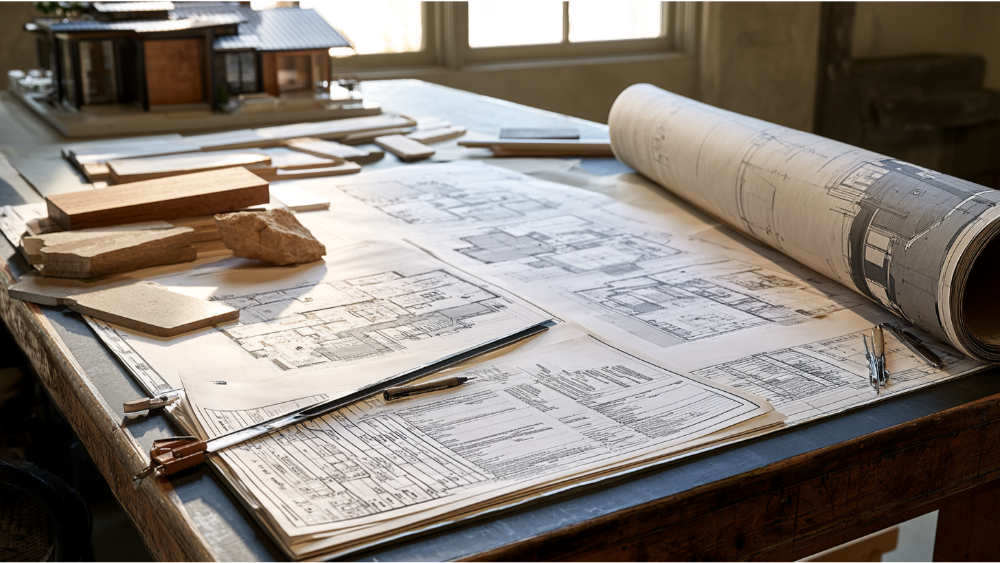
When you juggle a separate architect, drafter, designer, and builder, the gaps between them are where surprises hide. One coordinated team closes those gaps, and that integration is where we take real pride. At Skyline Design Build, we move through a single process: a free consultation, site analysis, design and drafting, 3D rendering and visualization, permit-ready documents, permitting, construction with regular updates, and a final walkthrough. We shape floor plans around the way your family wants to live, so the finished home feels right for your community and your homesite. Our commitment to quality craftsmanship shows in the beautiful finishes and the care behind every stage, and our expertise means each key decision stays in your hands as the project moves forward. We build custom homes and new homes with the kind of transparency that gives you peace of mind, keeping you on track from the first step to the last. Expect warranty coverage structured in tiers, typically one-year workmanship, two-year systems, and ten-year structural. Even with one team, every responsibility and inclusion should be in writing, ensuring nothing important is left to memory. Honesty works best as a documented practice, not a closing line.
Frequently Asked Questions
How does build on your lot work?
A builder constructs a new home on land you own or plan to buy, rather than selling a house-and-lot package. It starts with lot feasibility and a defined scope, then moves through design, permitting, and construction for a seamless and stress free experience that respects your lifestyle.
What size home can I build for $300,000?
There's no guaranteed size. Your lot, site work, finishes, and region all affect it, and a complete budget covers far more than the house itself, so a house-only figure is incomplete.
Which home builder builds the best quality homes?
Judge quality by evidence, not slogans: references, experience on similar lots, a detailed written scope, a clear warranty, and transparent pricing. A builder who documents everything is telling you something about quality and about offering customers a better experience.
How long does it take to build a house?
Construction alone varies widely. Census data shows 66% of contractor-built homes take at least seven months to build, plus the design and permitting time that comes first.
Ready to Build on Your Lot? Let's Talk
We would love to join you in your unique project and conduct a review of the lot, scope, and vision together. Browse how we work, then reach out when you are ready to turn your new dream into a place you will proudly live. Whether you want to personalize a proven floor plan or design a dream home from the ground up, Skyline Design Build serves homeowners across the Greater Sacramento area and the San Francisco Bay Area, where our experts fit the design to your property and make the whole thing easy. Simply fill out the contact form on our website, call us at (916) 701-9196 or, for the Bay Area, (415) 480-4607, or email [email protected] to schedule your free consultation.