How Custom Woodwork Enhances Interior Design
Key Takeaway
Custom woodwork enhances interior design by fitting cabinetry, built-ins, trim, and paneling to your room's exact dimensions, turning awkward corners and unused walls into functional, proportional spaces that standard furniture cannot match. Built-ins can reclaim dead space in small or irregular rooms, while coordinated profiles and finishes create visual continuity across the whole home. Early planning integrates wiring, lighting, and plumbing so the finished result looks original rather than added on.
Custom woodwork enhances interior design by shaping cabinetry, storage, trim, paneling, and architectural features around your exact room and the way you actually live in it. The result is better proportions, more usable storage, and a cleaner flow from one living space to the next than standard-size pieces usually allow. You want a home that feels personal, and you also want every feature to earn its place. That balance between functionality and style is what thoughtful design delivers when it's planned well. If you're weighing a remodel, a custom build, or a few built-ins, this is where quality craftsmanship pays off.
What Counts as Bespoke Woodwork?
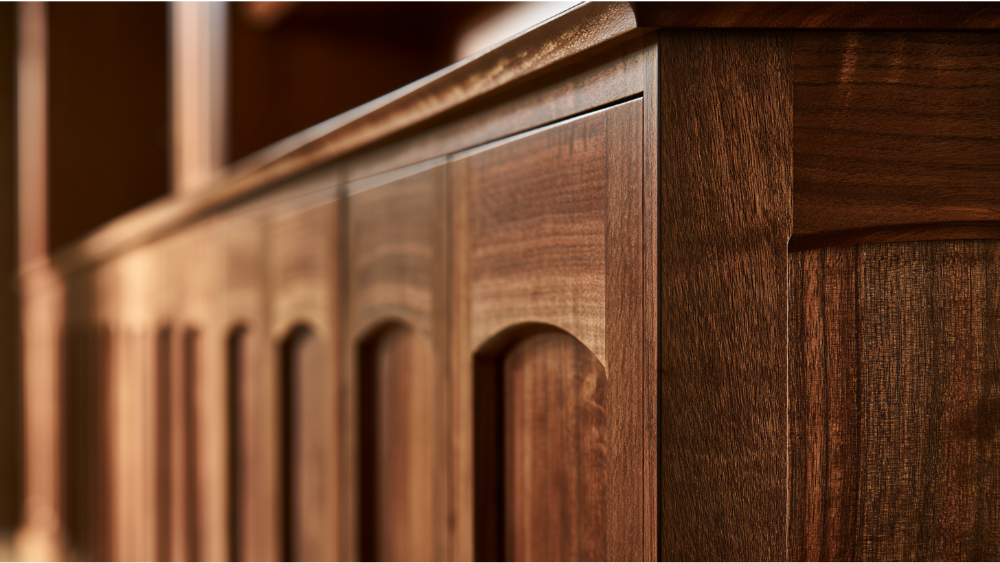
Custom woodwork is any wood feature built to order for your space rather than pulled off a shelf. That covers a lot of ground: custom cabinetry, built-in bookcases and shelving, media walls, banquettes and window seats, mudroom and entry storage, vanities, trim and molding, wall and ceiling paneling, mantels, and stair details. We also create custom woodwork like built in desks, coffered ceilings, and a cozy reading nook when the room calls for it. A few terms get used loosely. Millwork is the broad category for fitted wood components. Cabinetry is the casework built to order for a specific area. Finish carpentry is the installed trim and detail work that ties everything together. Think of it as a coordinated system that reflects how you live, not a single decorative item added at the end.
How Does Custom Woodwork Improve a Room With Enhanced Functionality?
The real advantage is fit, and fit changes how a room works and reads. Our skilled artisans create custom woodwork solutions that standard furniture can't match:
- Fits specific dimensions. Cabinetry and shelving built to your room's measurements, with no awkward gaps or filler strips.
- Improves scale and proportion. Heights and depths sized for the space so nothing feels oversized or lost.
- Turns awkward spaces into useful ones. Angled walls, tight nooks, and odd corners become storage instead of dead space.
- Builds storage around real routines. Drawer sizes and compartments designed for what you actually own, with hidden charging stations and concealed storage keeping clutter out of sight.
- Creates visual continuity. Matching profiles and finishes carry sightlines from room to room with seamless transitions and give the whole home a consistent style.
- Conceals wiring and equipment. Cables, media gear, and daily mess tuck away behind clean fronts.
Built Ins and Unique Designs That Maximize Space
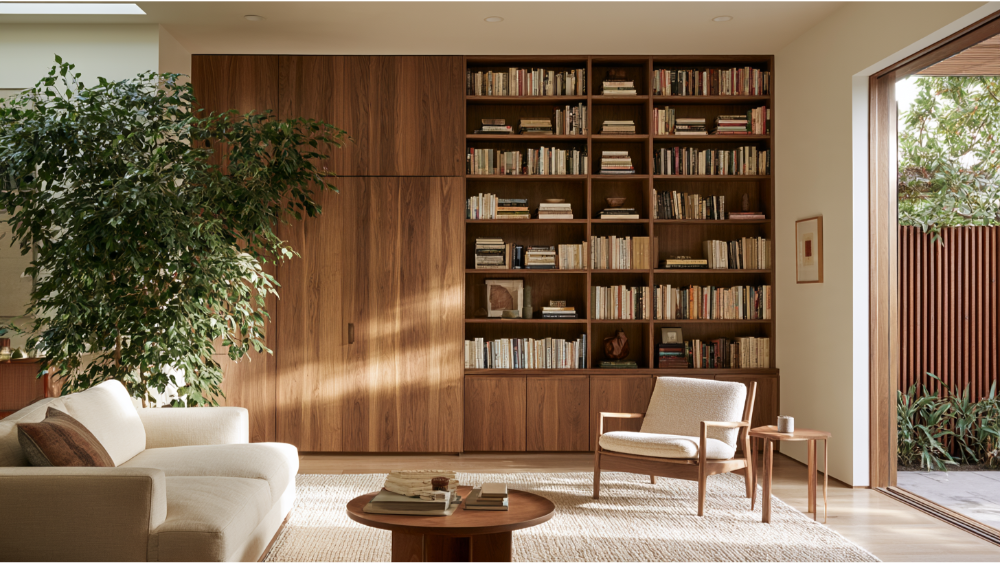
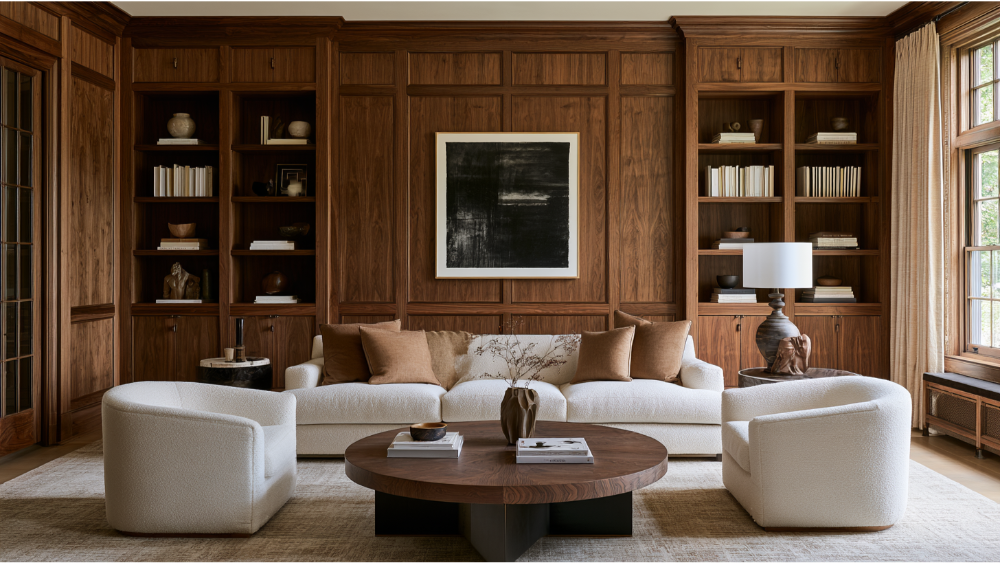
Trim, molding, and paneling give walls depth and texture that plain drywall can't. These design elements add real aesthetic appeal to both traditional rooms and modern interiors. Done right, custom millwork achieves a seamless integration with the home's existing architecture so additions look original rather than added on. Well-planned built ins also help you maximize space, turning unused wall and corner footage into storage and display that still feels light. The natural beauty of wood grain brings warmth and a biophilic connection to the outdoors, which is part of why people respond to it. Reclaimed wood can add unique character when you want a feature with history. A 2026 systematic review of 50 studies on wood in interiors reported promising psychological responses, though most studies were small, often 20 to 50 participants with one to fifteen minute exposures. So we'll say wood can contribute to comfort and a sense of calm without promising a specific health outcome. These touches of craft are what give a room its lasting charm and unique character.
Where Custom Woodwork Makes the Greatest Difference
- Small or irregular rooms: built-ins reclaim space standard furniture wastes.
- Kitchens and baths: specialized storage for pantry items, appliances, and toiletries, with functional layouts that make daily tasks easier.
- Living rooms with media gear: media walls that hide equipment and cables while adding a quiet sense of luxury.
- Home offices: desks and shelving sized to your work and your wall for enhanced functionality.
- Entryways and mudrooms: benches, hooks, and cubbies that handle daily traffic.
- Under-stair areas: drawers and cabinets where there was only dead space.
- Tall spaces: floor-to-ceiling cabinetry that uses the full height.
When Custom Woodwork May Not Be the Right Choice
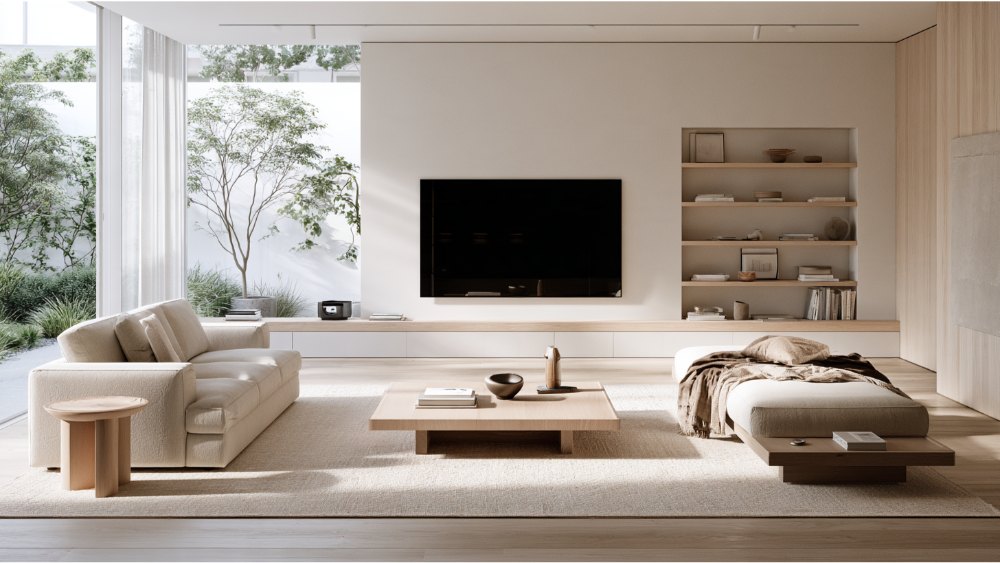
Honesty matters more than selling you on everything. Built-ins are permanent and less flexible than furniture, so if your layout or the room's use is likely to change, movable pieces may serve you better. A built-in with no clear function is just expensive wall trim. Too much fitted cabinetry can make a room feel heavy. Semi-custom or modular solutions sometimes solve the problem well enough for less. And if the layout, lighting, or structure needs work first, that's usually the smarter place to put your budget. Good design weighs the overall value of each piece before anything is built.
Choosing the Right Wood Types and Eco Friendly Choices
Custom doesn't automatically mean solid wood, and solid wood isn't automatically better. Quality craftsmanship often combines solid lumber, veneers, plywood, MDF, and specialized cores chosen for performance and finish. Oak and walnut each bring their own grain and elegance, so the species you pick helps shape the aesthetics and durability of the final piece. The Architectural Woodwork Institute recognizes three aesthetic grades, Economy, Custom, and Premium, which describe the degree of control over materials and workmanship. Painted and clear-finished surfaces call for different choices, and moisture exposure matters because wood is hygroscopic and moves with the air around it. The USDA recommends an average interior moisture content near 8 percent across most of the country, closer to 6 percent in the dry Southwest and 11 percent in damp coastal areas.
| Reference Standard | Key Figure | What It Covers |
|---|---|---|
| USDA interior moisture content | Near 8% (most areas), ~6% Southwest, ~11% coastal | Target wood moisture so pieces move less with seasonal humidity |
| EPA TSCA Title VI, hardwood plywood | 0.05 ppm | Formaldehyde emission limit for composite wood |
| EPA TSCA Title VI, MDF | 0.11 ppm | Formaldehyde emission limit for composite wood |
| FSC documentation | FSC 100%, FSC Mix, FSC Recycled | Sustainability sourcing you can request for eco friendly choices |
For material health and eco friendly choices, ask whether composite wood is TSCA Title VI compliant. If sustainability is a priority, request FSC documentation.
Finishes and Why Details Matter
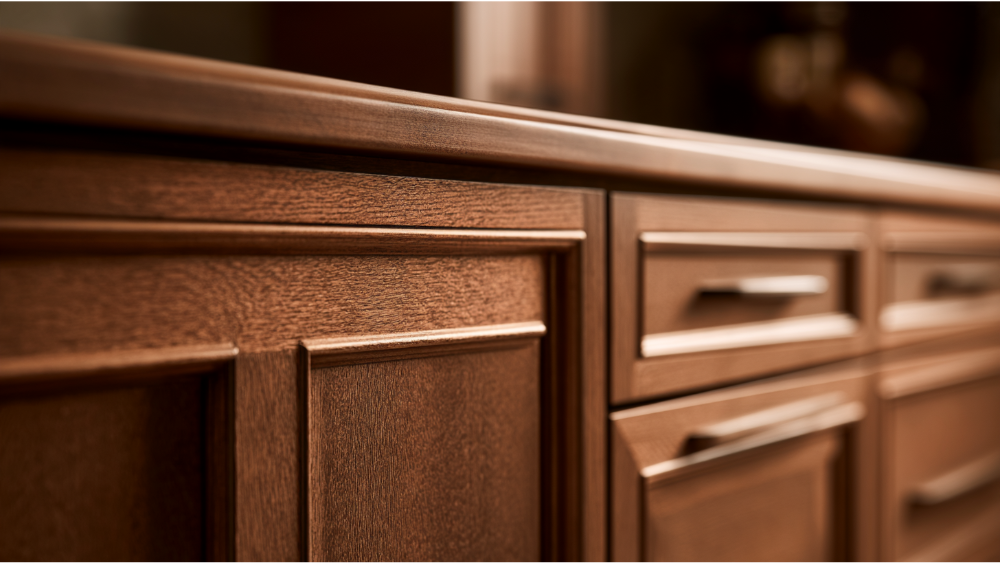
Finish decides how the wood actually looks in your home. Tone, grain direction and matching, sheen, and the choice between paint and stain all shape the style, along with how easy the surface is to touch up later. Don't rely on a "low-VOC" label alone; the EPA notes it doesn't guarantee a product is harmless indoors. Ask about the full system, primer, stain, topcoat, adhesive, cure time, and ventilation, and approve a physical sample under your home's real lighting before anything is built.
Why Custom Woodwork Should Be Planned Early
The best custom work is designed before construction, not fitted around it. Woodwork plays a crucial role in how the overall design comes together, so early planning coordinates furniture and walking paths, outlets and lighting, cable and equipment access, plumbing and ventilation, wall blocking for attachment, flooring and baseboard transitions, and door and drawer clearances. It also leaves room for future access and replacement. This is where our 3D rendering and visualization earns its keep, letting you see the finished space and test design ideas before fabrication so what gets built is a true reflection of your personal vision.
What a Well-Planned Custom Woodwork Process Looks Like

At Skyline Design Build, we treat woodwork as part of the whole project, not a bolt-on at the end. The journey runs from a free consultation covering your vision, function, budget, and priorities, through field measurements, design and drafting, 3D visualization and revisions, and approval of materials, finish, and hardware. From there we coordinate the woodwork with the larger remodel or build, prepare the jobsite, oversee installation and quality review, and finish with a walkthrough and care guidance. As an integrated design-build team, our designers keep interior design, drafting, remodeling, and construction under one roof so the craftsmanship and the details support the whole home in a unique way. We believe great design and real value can coexist, and that investing in stylish woodwork that will transform and complement your living space should give you lasting comfort, not buyer's remorse.
We'd love to join you in your project and help bring your vision to life. Reach out for a free consultation at (916) 701-9196 in Sacramento or (415) 480-4607 for the Bay Area. We serve the Greater Sacramento area and the San Francisco Bay Area.
Homeowner Quality Checklist
- What materials and cores will be used?
- Is any composite wood TSCA Title VI compliant?
- How will grain and finish be matched?
- Can I approve a physical finish sample first?
- How does the design account for seasonal wood movement?
- What hardware and drawer systems are specified?
- How are lighting, outlets, and cables coordinated?
- Are field measurements verified before fabrication?
- How will the woodwork be attached and supported?
- What maintenance and touch-up guidance will I receive?
Frequently Asked Questions
Which wood is best for interior design?
There's no single best choice. The right wood depends on whether it's painted or clear-finished, its moisture exposure, the span, expected wear, and the grain and style you want. A good design-build team matches the material to the application rather than defaulting to one species, which opens up more possibilities for your room.
Does custom woodwork increase home value?
It can improve how a home presents and appeal to potential buyers, but returns aren't guaranteed. The payoff depends on workmanship, how versatile the feature is, buyer preferences, and the local market. Treat it mainly as a design and lifestyle investment that adds character to your living space.
Is solid wood always the best material for built-ins?
No. Quality work often combines solid lumber, veneers, plywood, and engineered cores, each chosen for the way that part of the piece is used and finished.
Can custom woodwork include integrated lighting and outlets?
Yes, when it's planned early. Proper blocking, wiring routed before fabrication, and access for future replacement make integrated lighting and outlets work cleanly and keep the finished design both practical and refined.