How to Use Texture in Interior Design
Key Takeaway
To use texture in interior design, layer contrasting surface qualities like smooth with rough, matte with reflective, and soft with hard across your architectural base, furnishings, and accents. Start with one dominant texture, repeat two or three key materials for cohesion, and always test physical samples in both daylight and evening light before committing to permanent finishes.
If a room feels flat or a little sterile, texture is almost always the missing piece. Use it by layering a few contrasting surface qualities, like smooth with rough, matte with reflective, and soft with hard, across your fixed finishes, furnishings, and accents. Start with one dominant base, repeat a few textures for cohesion, and test your material samples in real daylight and evening light before you commit. That's true whether you're decorating a space you love or planning a full remodel.
What Is Texture in Interior Design?
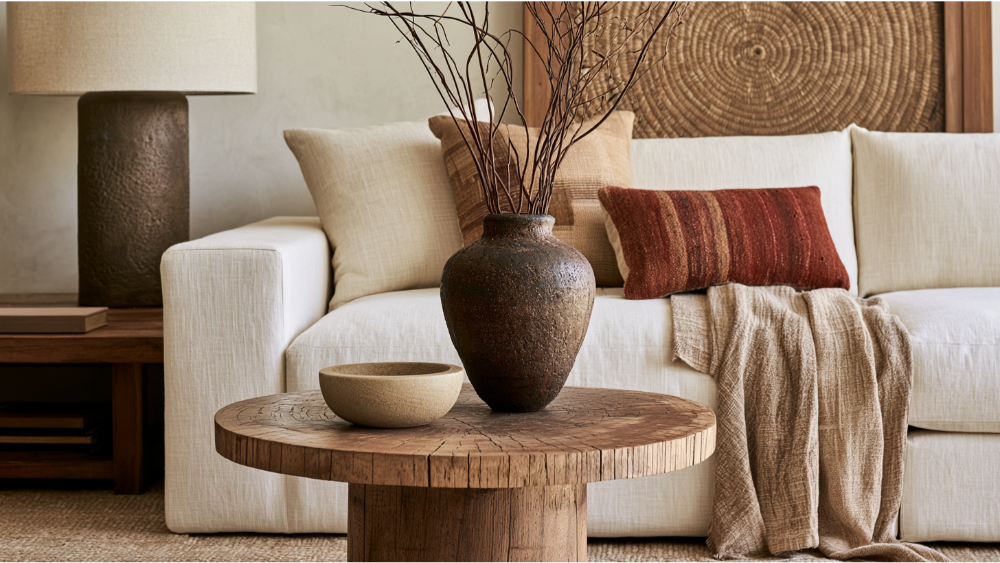
Texture is how a surface looks and how it feels when you touch it. There are two practical kinds worth knowing.
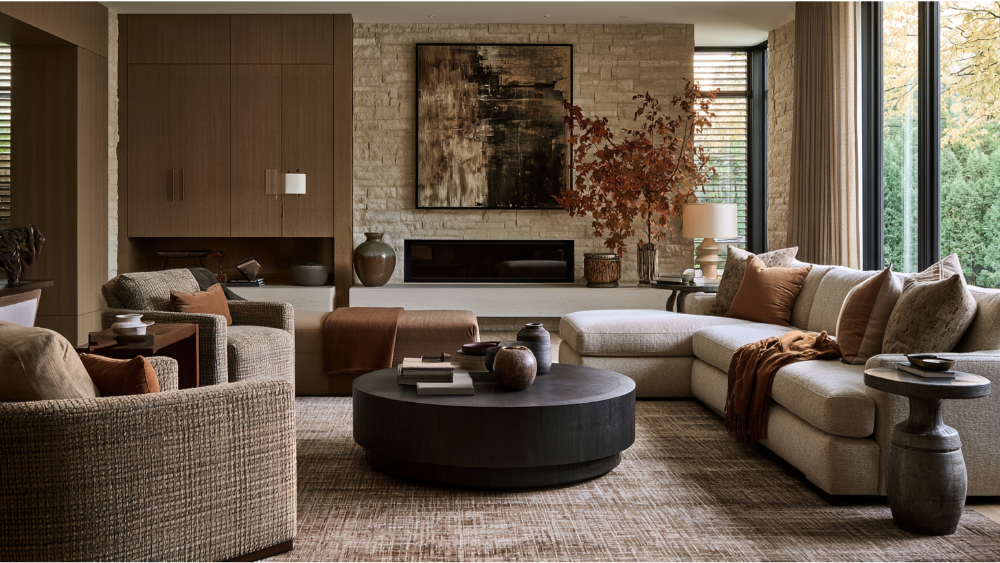
Tactile textures are physically felt: boucle upholstery, rough stone, velvet, a woven rug, or raw wood. Soft textures like wool bring warmth and comfort, while rough ones like stone lend a more rustic, grounded feeling.
Visual textures are what you perceive through grain, veining, sheen, and shadow, even from across the room. A wallpaper pattern or a stone's veining reads as texture before you ever touch it. Textured wallpaper is one easy way to introduce this read on otherwise plain walls.
Texture isn't the same as pattern. Texture is surface quality. Pattern is a repeated visual treatment printed or woven onto a surface.
Start With a Texture Audit of Your Room
Before you buy anything, look at what's already in the room. Architectural surfaces like walls, floors, and ceilings carry most of the texture, so start there.
- Floors
- Walls and ceilings
- Cabinetry and countertops
- Upholstery
- Window treatments
- Existing wood, stone, glass, and metal
As you go, note what's overrepresented (often too much smooth, matched, or matte) and what's missing. That gap is your plan.
Build Texture in Three Layers
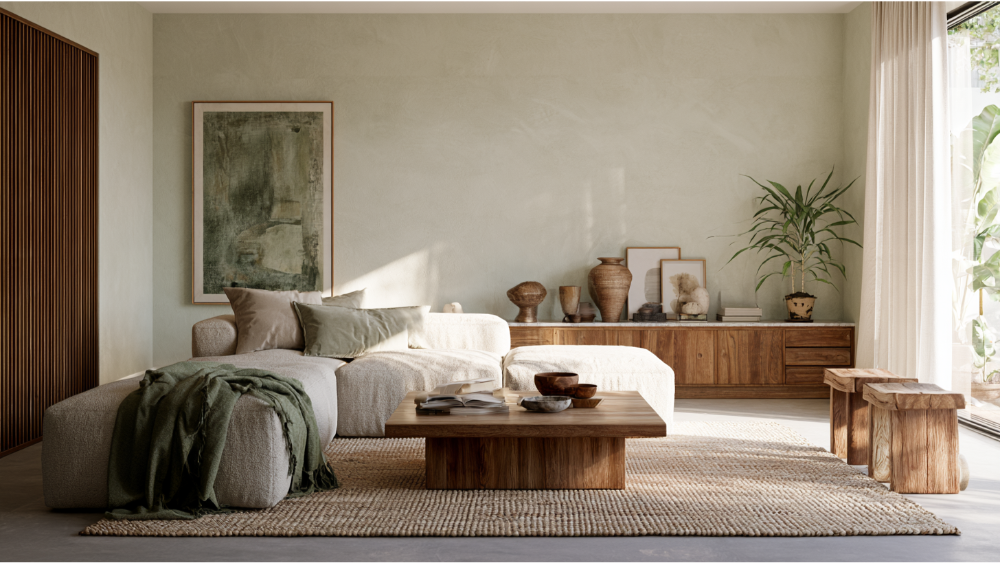
Layering different materials is what makes a space feel multi-dimensional instead of one-note. We think about it in three layers, and this is one of the easiest ways to bring an interior to life.
- Architectural base: flooring, walls, tile, millwork, countertops.
- Comfort and furnishing: rugs, upholstery, curtains, bedding.
- Accent and detail: lighting, hardware, artwork, ceramics, baskets.
The base layer is permanent and carries the most cost, so it deserves the most planning time. Furnishings and accents are reversible, which means you can experiment there with far less risk. Textured furniture and mixed materials add real depth and help in creating depth, but they work best on top of a base you've already thought through. These finishing touches are what pull the overall aesthetic together.
Use Contrasting Textures to Add Interest Without Visual Noise
Contrast is what makes texture register. Combining a smooth and a rough surface draws the eye and highlights the features you want noticed. Contrasting textures add interest and create a dynamic sense of balance when they're used with intention. Work with these dimensions:
- Rough versus smooth
- Matte versus gloss
- Soft versus hard
- Fine versus coarse
- Organic and irregular versus uniform and manufactured
Let one texture lead and let the rest support it. Repeat a few key materials rather than giving every object its own new texture. Layering different fabrics or stacking rugs of different sizes adds a rich look, as long as those pieces echo something already in the room. A harmonious balance comes first, contrast second.
Add Texture to a Room With Natural Elements
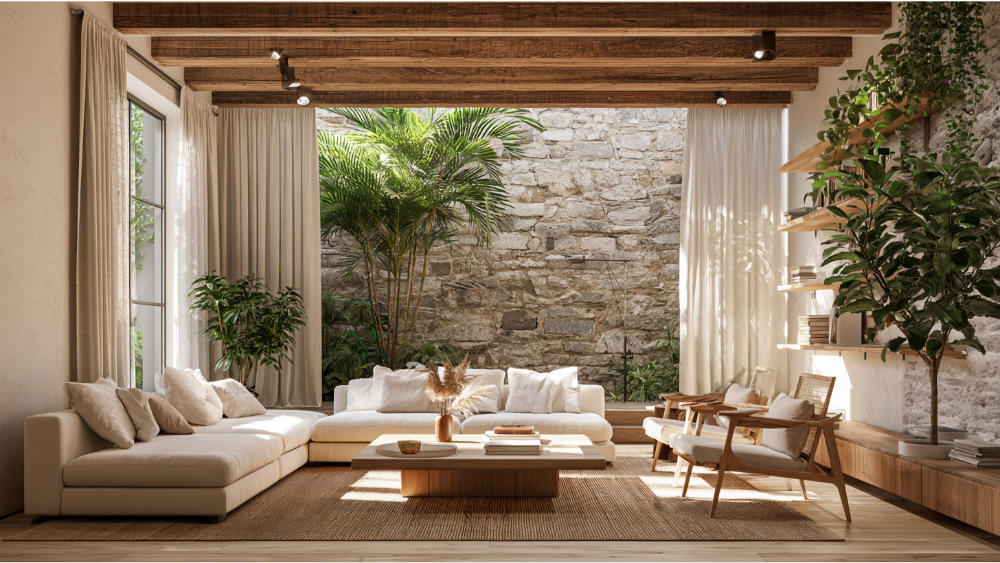
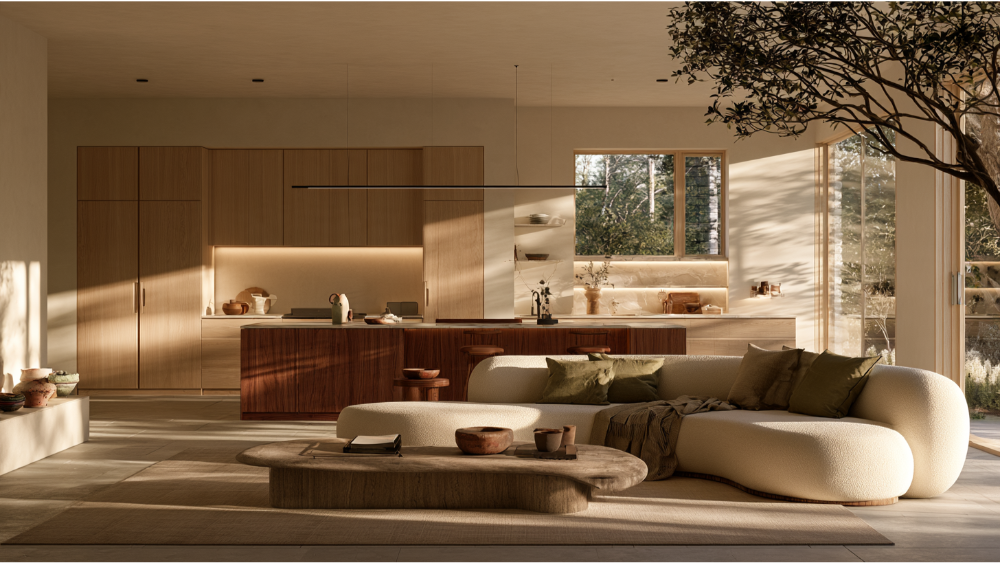
Natural elements bring an organic warmth that's hard to fake. Wood, rattan, and stone add an earthy warmth, while linen, jute, and clay soften a space and make it feel grounded and inviting. Plants add living texture and tie into wellness-centered interiors, bringing movement and life that a static object can't. These are the kinds of elements inspired by nature that many interior designers reach for first. A few of these natural elements go a long way toward making a room feel personal rather than showroom-perfect.
Add Visual Interest to a Living Room With Decorative Items
The living room is where layers of comfort and style meet daily use. Pile cushions in different fabrics onto a sofa, set a few decorative items on a side table, and let a sleek glass surface or a modern table play off softer textiles. Small decor choices like these add visual interest and a cozy, inviting feeling without crowding the space. Think of them as the finishing touches that make the room feel finished rather than staged.
How Lighting and Color Change Texture
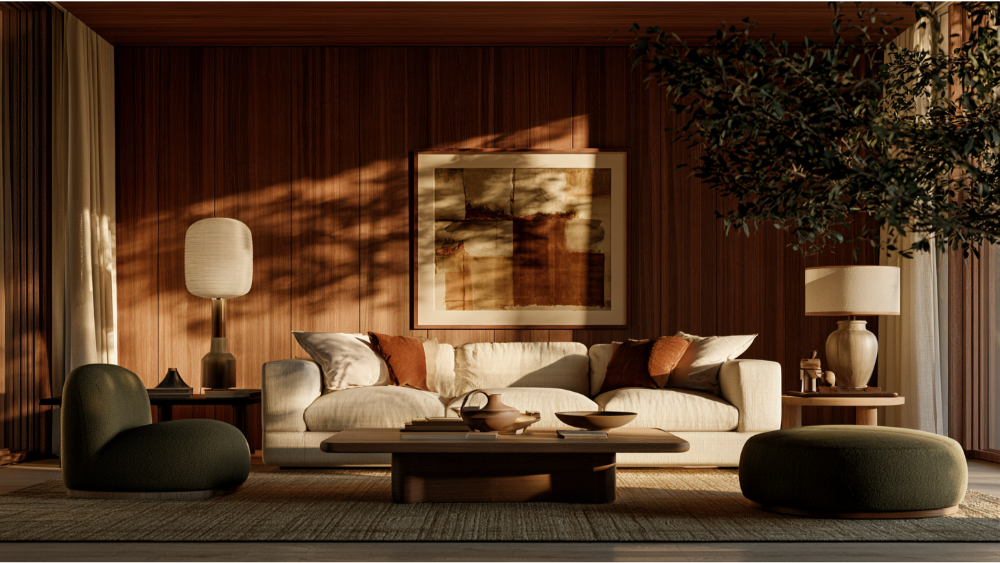
Light shapes how texture reads. Grazing light, which strikes a surface at a shallow angle, deepens shadows and brings relief forward. Diffuse light does the opposite and can flatten a texture you worked hard to create. Directional light also reveals surface flaws, so plan finish and lighting together.
Color matters too. Monochromatic and neutral rooms lean on texture for their interest, so a cohesive palette and well-chosen colours keep mixed textures from feeling busy. Use layered lighting, like wall sconces paired with ceiling fixtures, for varied effects. Then view your samples in morning, afternoon, and evening light before deciding.
Choose Textures That Perform, Not Just Look Good
Texture should improve comfort and function, not just appearance. Kitchens and bathrooms call for finishes that clean easily and hold up to moisture. Living rooms balance comfort against daily wear. Before approving any permanent surface, ask:
- Can it be cleaned easily?
- Is it suitable for moisture or frequent contact?
- How will it wear over time?
- Does it meet the manufacturer's intended-use classification?
- Will it create glare?
A floor that looks rough is not automatically slip-resistant. Rely on the manufacturer's product-use classification (ANSI flooring-use categories; confirm the current standard) rather than appearance. One safety note: in homes built before 1978, older finishes may contain lead or asbestos, so don't disturb an unknown surface without proper evaluation.
Test Your Textures Before You Commit
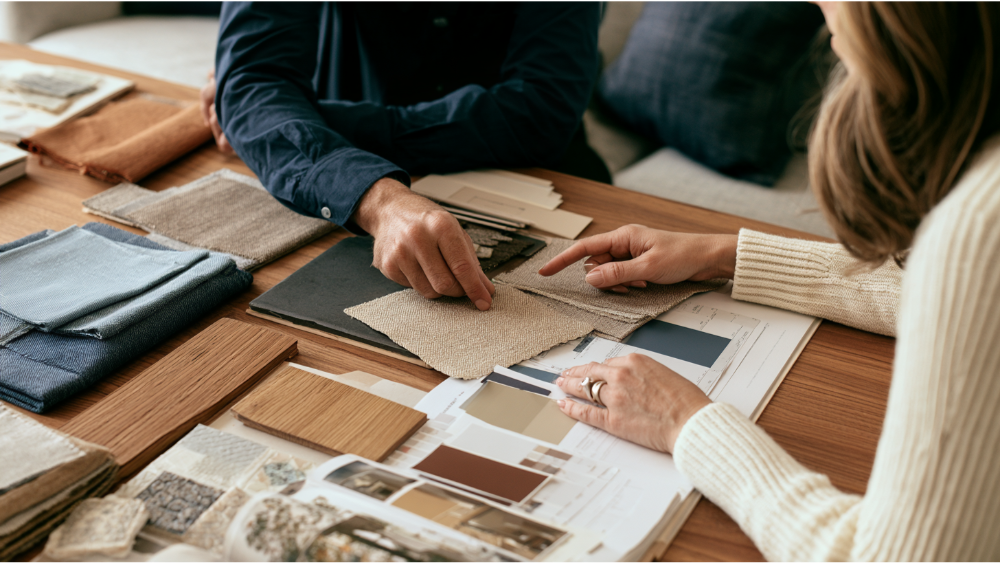
A simple mock-up saves costly regret.
- Gather larger physical samples, not tiny chips.
- Place them in their installed orientation, vertical or horizontal.
- View them in morning, afternoon, and evening light.
- Step back and look from a normal viewing distance.
- Set adjacent materials together and review sheen, shadows, comfort, and cleaning.
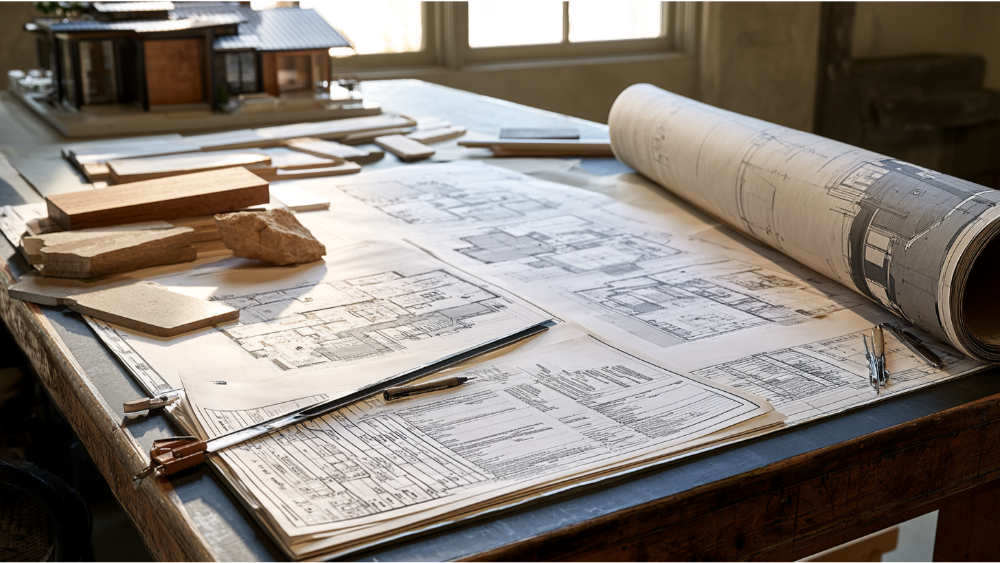
Pairing physical samples with 3D rendering and visualization lets you see the full composition before anything is built. For inspiration, gather a few idea boards so your patterns and finishes can enhance one another instead of competing. This is where our integrated design-to-build process fits naturally. If you'd like a hand, we would love to join you in your unique project. Reach us at (916) 701-9196, (415) 480-4607, or skylinebuildinc.com/contact for a free consultation.
Frequently Asked Questions
What are the two main types of texture in interior design?
Tactile texture, which you physically feel, and visual texture, which you perceive through grain, sheen, and shadow. Most well-designed rooms use both and combine them with other elements like color and light.
How many textures should you use in one room?
Two or three major texture families make a good beginner-friendly starting point, a Purdue Extension guideline rather than a fixed rule. Room size, lighting, contrast, and function matter more than hitting an exact count.
How do you add texture without making a room feel cluttered?
Change existing surfaces instead of piling on objects, and favor a few larger texture moments over many small accessories. Let one texture lead and repeat it.
What is the difference between texture and pattern?
Texture is surface quality, how something looks and feels. Pattern is a repeated visual treatment applied to that surface. For example, a woven rug has both.
What textures work best in kitchens and bathrooms?
Finishes that clean easily and suit moisture. For flooring, trust the manufacturer's intended-use classification rather than how rough a surface looks.