Interior Design With Natural Light: How to Create a Brighter, More Comfortable Home
Key Takeaway
Interior design with natural light works best when you treat daylight as a whole-home system: capture it through well-placed windows, distribute it with layout and finishes, then control glare, heat, and fading. Useful daylight typically reaches about 1.5 times the window-head height into a room. Mirrors, light-colored walls, and adjustable shading do more to create even, comfortable light than simply adding more glass.
Interior Design With Natural Light, Explained Simply
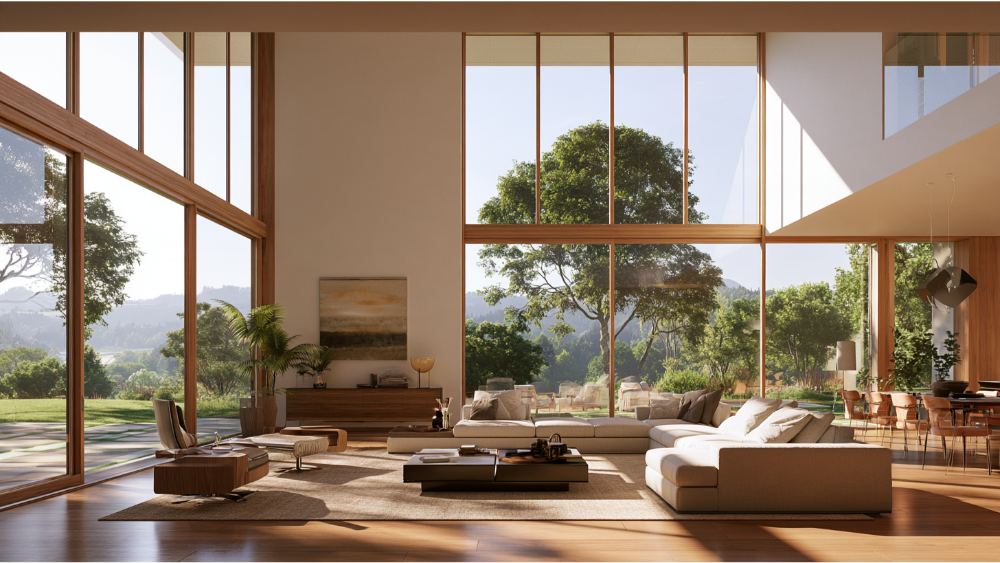
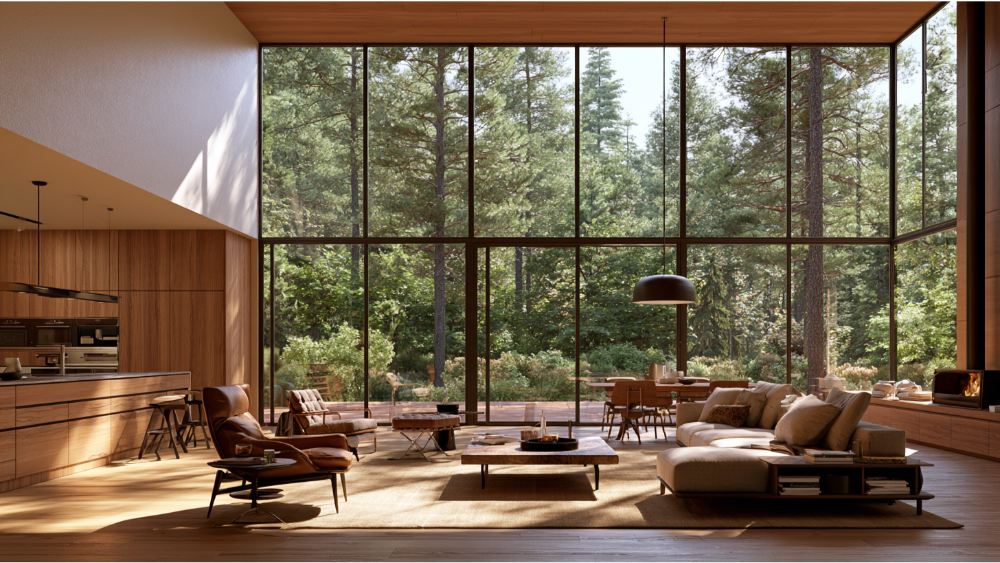
Interior design with natural light works best when you treat daylight as a whole-home system: capture it through well-placed windows and openings, distribute it with your layout and finishes, then control glare, heat, privacy, and fading. The goal is usable, even light in the living spaces you actually use, not the most glass you can fit. A brighter home feels more open and welcoming, and natural light does a lot to make a space look larger and more inviting. Whether you're planning a quick refresh or a full build, the same principle holds. More windows won't fix a dark home on their own. Creating even, comfortable light comes from thoughtful placement and control.
What Is Daylighting in Interior Design?
Daylighting is the coordinated use of windows, building orientation, interior finishes, and shading to bring in natural light and spread it where you want it across your interior spaces. The distinction that drives every good decision is simple. Direct sunlight is a bright, hot beam that causes glare and surface heating. Diffuse daylight is the soft, even light that fills a room without sharp contrast. You usually want more of the second kind. Good daylighting also balances light against glare, heat, privacy, and energy consumption, since poorly controlled sun can raise cooling loads even as it brightens a space. Well lit spaces feel more comfortable and relaxed, which is the whole point.
The Real Benefits of Natural Light for Comfort and Well Being
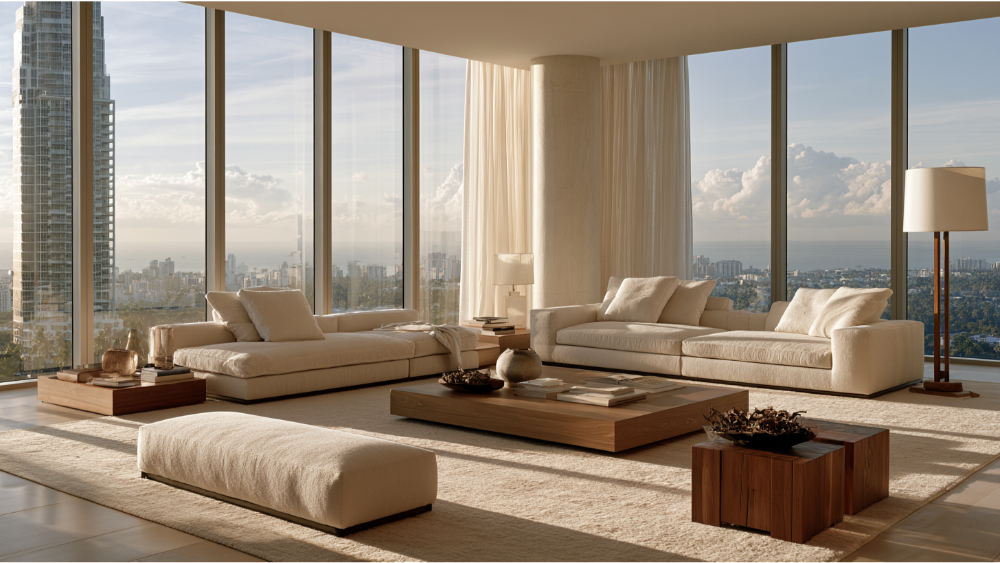
Daylight supports the body's light-dark cycle and may contribute to better sleep and well being. It tends to improve mood, ease eye strain, and help with focus throughout the day, and many people notice steadier energy levels when their rooms get real daylight. There's a mental health dimension too, since bright, naturally lit homes feel more cheerful. The NIH recommends getting at least 30 minutes of outdoor natural sunlight daily, and it's worth knowing indoor daylight is not an equivalent dose, so time outside still matters.
- Rooms feel larger, warmer, and more connected to nature and the outdoors.
- Daylight helps regulate sleep patterns and supports steadier energy throughout the day.
- It highlights architectural details, textures, and the materials you chose, adding real aesthetic appeal.
- Bright, well-lit homes tend to show better and appeal to buyers, which matters if resale or rental value is part of your plan.
Start With a Daylight Audit of Your House
Before you buy a single mirror or change a finish, watch how light actually moves through your house. Spend a day noticing the difference between rooms as the sun travels.
- Check each room in the morning sun, at midday, and in the late afternoon.
- Note seasonal changes and anything outside that blocks light, like trees, fences, or a neighboring wall.
- Mark the dark corners, the glare spots, the screen reflections, overheated zones, and where you need privacy.
- Write down how you really use each room, not how you think you should.
- If a remodel is on the table, photograph each space at the same times so you can compare later.
One easy first win: clean the glass. Grime on large windows quietly cuts the light you already have.
How Window Direction Changes Your Natural Light
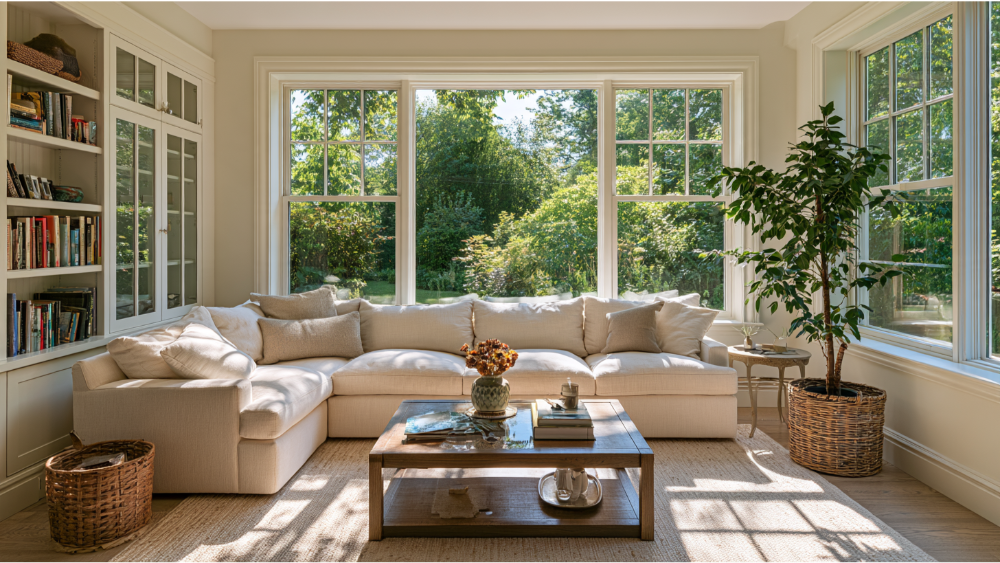
In the Northern Hemisphere, the compass direction a window faces changes the character of the light and how hard it is to manage.
| Direction | Quality of light | Control note |
|---|---|---|
| North | Soft, cool, consistent all day | Easy to live with; pair with warmer wall tones |
| South | Strong year-round daylight and winter warmth | Controllable with proper overhangs |
| East | Warm, low-angle morning light | Pleasant early, manageable later |
| West | Intense late-afternoon sun and heat | Hardest to control; shade or limit it |
"South facing is best" oversimplifies things. South facing windows capture the most consistent daylight, but the right answer depends on how you use the space, your climate, outside obstructions, and seasonal shading. West-facing glass, in particular, brings the most glare and heat at the worst time of day.
Seven Ways to Get More Natural Light Without Construction
You can do a lot before touching a wall. These changes work with the available daylight you already have and focus on maximizing natural light in every room.
- Clear the window opening. Pull window treatments fully off the glass when open.
- Use adjustable light-filtering treatments. Sheer curtains soften direct sun rays while keeping the room bright. Heavy drapes block light.
- Move bulky or tall furniture away from windows. Low-profile pieces let light flow across the room.
- Choose light colored walls and finishes that reflect light. Pale wood, light tile, and higher-LRV paint bounce daylight and keep a room feeling airy.
- Place mirrors along the actual light path. Positioned opposite or angled toward a window, a mirror redistributes light into dark corners. It doesn't create more.
- Reduce clutter near daylight sources. Clear surfaces let light carry deeper into interior spaces.
- Manage exterior foliage. Trim what blocks useful light, but keep greenery that gives you welcome summer shade.
Satin or semi-gloss finishes act as gentle reflective surfaces and bounce a subtle amount of light while reducing glare from harsher sheens. Go too glossy and you trade brightness for distracting hotspots.
Remodeling Strategies That Improve Light Flow Into a Home
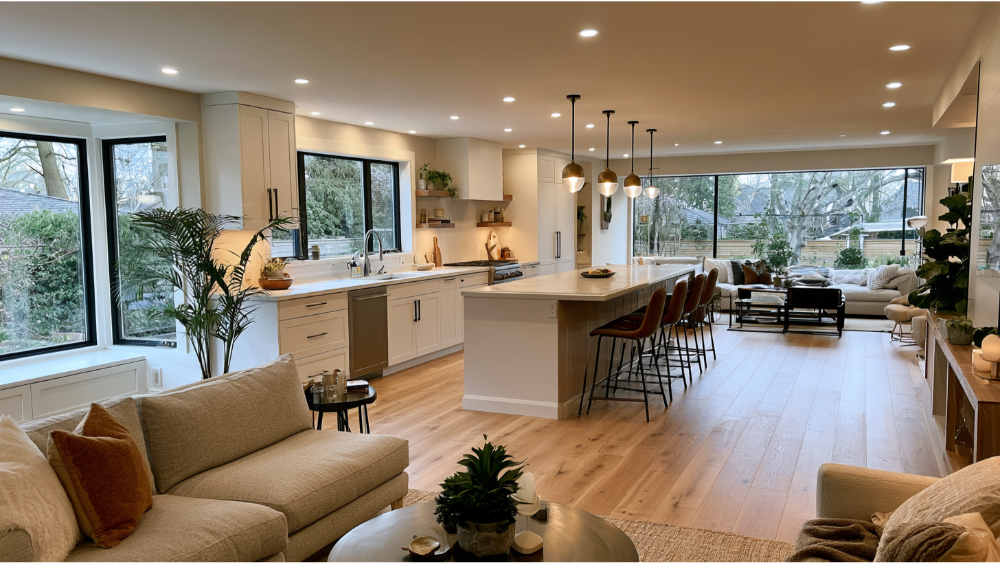
When decorating isn't enough, remodeling can carry borrowed light into rooms that have none and improve light flow across the whole floor plan. Open floor plans and interior glass share light between spaces, and glass doors or sliding glass doors connect indoor and outdoor spaces while flooding living areas with natural illumination. Transoms and clerestory windows sit high on the wall and push light deep into a room. Wider cased openings, higher window heads, and revised layouts all help light travel. For interior bathrooms, hallways, and closets with no exterior wall, skylights, light wells, and tubular daylighting devices (solar tubes) can reach spots a side window never could. Smart glass and privacy glass solve tight property lines and bathrooms.
As a rule of thumb, useful daylight reaches roughly 1.5 times the window-head height into a room, and conventional daylighting is often most effective within about 25 feet of a window. These are starting points, not guarantees. Skylights aren't automatically better, either: the right call depends on your roof, climate, and the room itself.
How to Choose Windows for Light, Comfort, and Energy Efficiency
Don't pick windows on size and looks alone. Three NFRC ratings tell you what you're really getting, and together they shape both daylight and energy efficiency.
- Visible Transmittance (VT): how much daylight passes through. Higher is brighter. Products commonly run about 0.10 to 0.80, and the DOE notes values below 0.5 noticeably cut transmitted light.
- Solar Heat Gain Coefficient (SHGC): how much solar heat enters. Lower means less heat, with products typically around 0.20 to 0.80.
- U-factor: how well the window insulates. Lower is better.
Low-e and spectrally selective coatings cut heat while keeping more daylight and view, which beats a flat dark tint that dims the room. As general context, ENERGY STAR estimates certified windows can save up to about 13% on heating and cooling compared with non-certified ones, a real gain for improving energy efficiency. Read the NFRC label rather than asking for "energy-efficient glass," since the right numbers depend on your climate and orientation.
Controlling Glare, Heat, Privacy, and Fading From Direct Sunlight
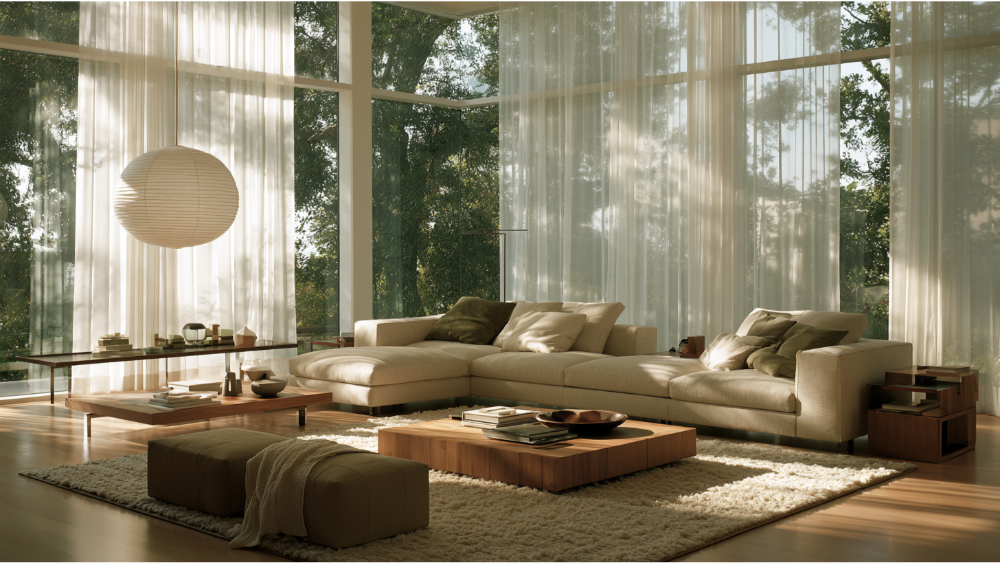
The best defense stops sun before it reaches the glass. Overhangs, awnings, louvers, and well-placed trees block direct beams while letting diffuse daylight through, which is one of the simplest ways of reducing glare indoors. Inside, adjustable shades and blinds give you flexibility for glare and privacy as the day shifts. If screens are a problem, position desks and TVs perpendicular to windows to cut reflections. Direct sunlight also fades textiles, art, wood, and flooring, and that damage is cumulative and largely irreversible. UV, visible light, and heat all contribute, so low-e glazing, UV-filtering layers, and shading reduce the risk rather than erase it. Think of direct sunlight as something to control, not celebrate in every room.
Natural Light Room by Room, From Breakfast Nooks to Living Rooms
How you use a room decides what good daylight looks like there.
- Kitchen and breakfast nooks: plenty of light for everyday work, positioned so it doesn't glare off counters or cooktops.
- Living rooms and the dining room: balanced light that frames the view and flatters finishes, with furniture that doesn't block the window. These are the spaces where natural light is one of the simplest ways to make the home feel open.
- Bedroom: gentle morning light if you like waking with the sun, plus window treatments that give real darkness at night.
- Bathroom: privacy glass, a clerestory, or top light that brightens without exposing the room.
- Home office: adjustable shading to manage screen glare throughout the day.
- Hallways and interior rooms: borrowed light from transoms, glass doors, or solar tubes.
A little greenery near a window softens hard lines and ties the inside to the world outdoors, adding to the aesthetic appeal of your living spaces. These are the kinds of architectural features and architectural details that make a room feel finished.
Pairing Natural Light With Electric Lighting
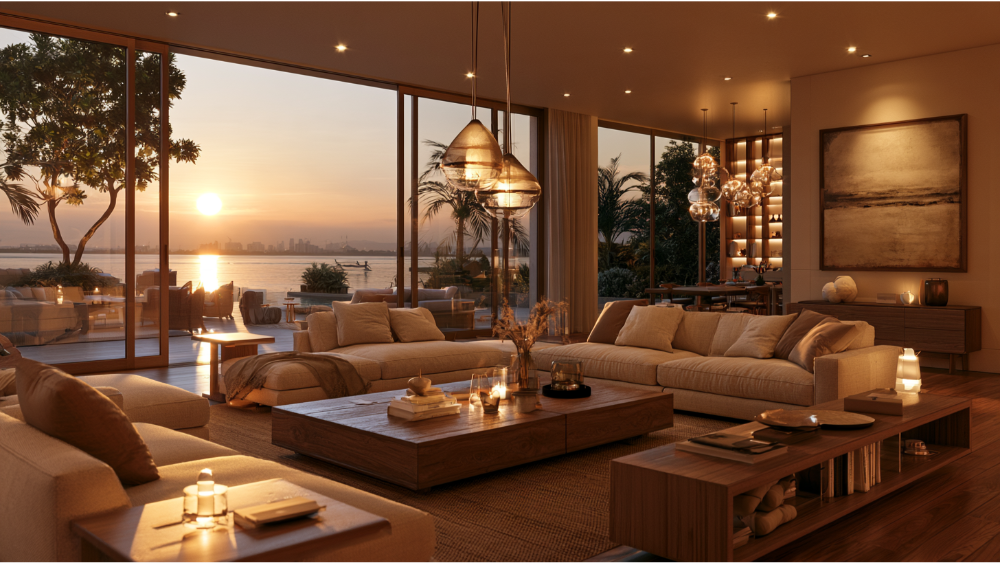
Daylight shifts with weather, season, and the daylight hours available, so plan natural light and electric lighting together from the start. Use ambient light for general illumination, task light where you work, and accent light to shape the mood. Dimmers and simple controls keep rooms comfortable on gray afternoons and after dark, reducing reliance on fixtures when the sun carries the room. The aim isn't to replace artificial lighting with daylight. It's to make the two work as one so a space feels right and holds a restful atmosphere whether the sun is out or not.
Common Natural-Light Design Mistakes to Avoid
- Oversized west-facing glass with no shading.
- Choosing a dark tint without checking VT, so the room ends up dim.
- Furniture parked in front of windows.
- Glossy surfaces that throw glare instead of soft light.
- Painting everything pure white without testing undertones in the room's own light.
- Treating a rendering as proof of real-world daylight performance.
- Installing skylights without coordinated roof, waterproofing, and energy planning.
Why Natural Light Plays a Key Role and How We Help
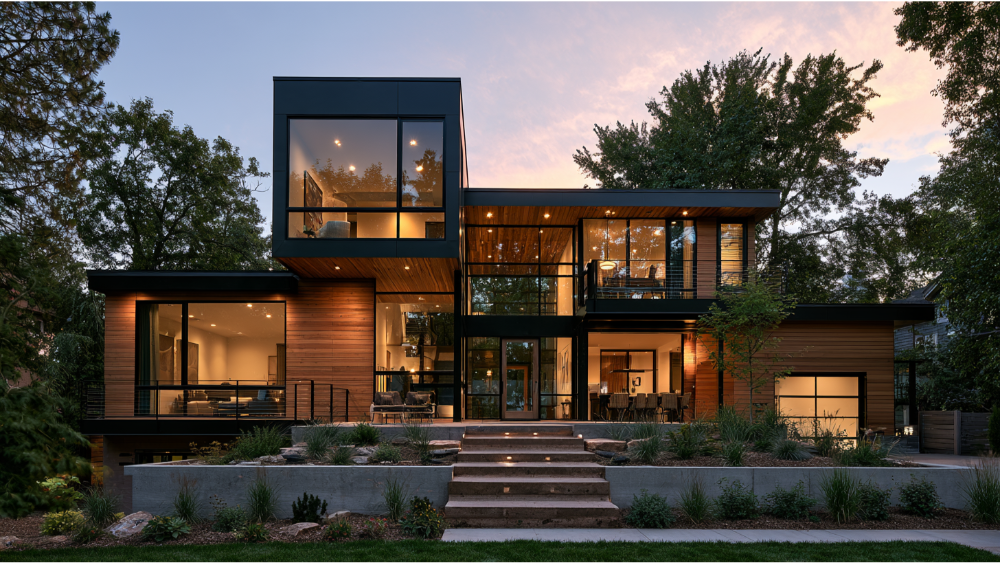
Floor plan, large windows, finishes, furniture, and lighting all shape daylight, and they work best when decided together rather than passed between separate providers. Good brightness and illumination play a key role in how a home supports your mood and daily well being, which is the case for creating a plan for light early instead of fixing it later. At Skyline Design Build, our interior designers bring drafting, interior design, permit-ready plans, and construction under one team, serving the Greater Sacramento area and the San Francisco Bay Area. We also use 3D rendering and visualization so you can make informed decisions and see how a proposed space will illuminate before anything is built. If you'd like to talk through brightening a room or designing bright, comfortable living spaces into your forever home, we would love to join you. Call us at (916) 701-9196 or reach out through our website contact form for a free consultation.
Frequently Asked Questions
What is natural lighting in interior design?
It's the deliberate use of windows, orientation, finishes, and shading to bring daylight into a home and spread it evenly. The aim is comfortable, usable light, with glare and heat kept in check.
What colors reflect the most natural light?
Warm whites, pale neutrals, and higher-LRV finishes reflect light best and keep a room feeling airy. Always test a color in the room's own light, since undertones shift throughout the day.
Should a mirror go opposite or beside a window?
Opposite or angled toward the window usually works best, since it redirects daylight back into the room and into dark corners. Check the reflected view and any glare before you commit.
Are skylights or solar tubes better for a dark room?
It depends on the room and the roof. Skylights suit larger spaces where you want a view and ventilation, while tubular daylighting devices fit smaller interior spots like bathrooms and hallways.
Does natural light through a window provide vitamin D?
No. Standard window glass blocks the UVB your skin needs to make vitamin D, so indoor sunlight won't do it. Daylight still supports visual comfort and your body's light-dark cycle.