Can You Split Land in Sacramento? Rules, Options, and First Steps
Key Takeaway
A land split in Sacramento is possible through three main routes: SB 9 urban lot splits for qualifying single-family parcels, conventional parcel or subdivision maps, and the newer SB 684 small-lot subdivision path. SB 9 requires each resulting parcel to be at least 1,200 square feet and allows up to two units per parcel. Your first step is confirming which jurisdiction governs your land, since a Sacramento mailing address does not always mean City of Sacramento rules apply.
Can You Split Land in Sacramento? The Short Answer First
Yes, you may be able to split a Sacramento property into two or more parcels. The right path depends on which jurisdiction controls the land, how it's zoned, your lot dimensions, and what you hope to accomplish. California's SB 9 lets certain single-family lots be divided into two parcels by right, while other properties follow a conventional map process or a newer small-lot subdivision law. If you own or are eyeing a property and you're excited but cautious about the next step, this guide gives you a plain-language map of your options and the information you need to start your search with confidence. One early warning: a "Sacramento" mailing address does not tell you whether the City, the County, or another incorporated city governs your parcel.
First Question: Which Jurisdiction Controls Your Land?
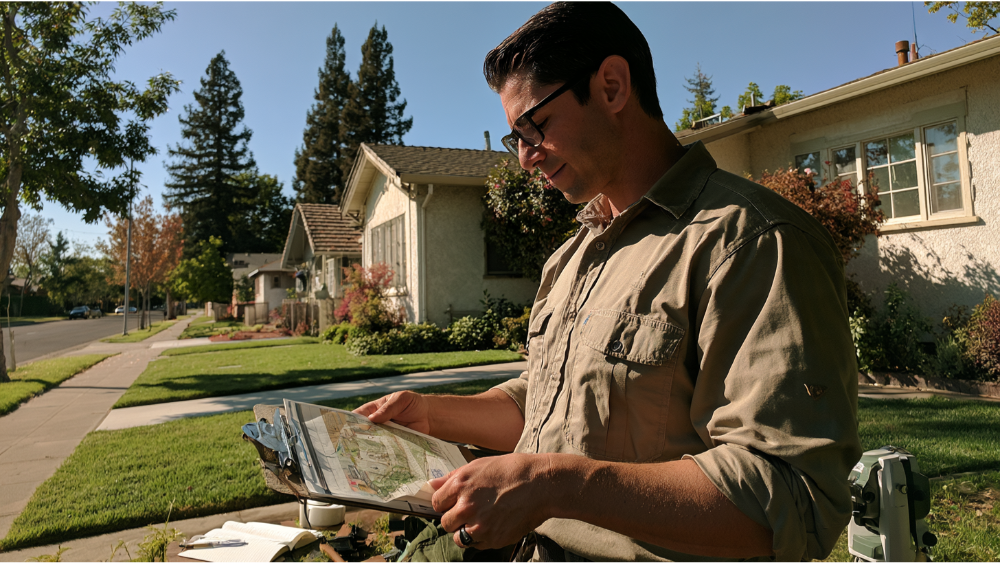
This is Step 1, not a footnote. Before any zoning question, you need to know who issues approvals and permits. Your property sits in one of three places:
- Inside the City of Sacramento
- In unincorporated Sacramento County
- Inside another incorporated city (several nearby jurisdictions, including Placer County cities, run their own planning counters)
A mailing address can name a nearby city even when the County actually governs the land. The Sacramento County Assessor is clear about this, and the Assessor does not maintain authoritative zoning information. Look up your APN (Assessor's Identification Number) on the correct county website, then confirm how the parcel is zoned with the correct planning department rather than trusting the address. Sacramento's planning framework includes more than 600 zoning districts, and your district shapes everything about what's allowed, from density to design standards. A separate parcel number alone also doesn't prove a parcel is independently buildable, which is why jurisdiction and zoning come first.
The Three Main Ways to Divide Land in Sacramento and Placer County
Land division in California runs under the Subdivision Map Act and local zoning that sets minimum lot sizes and density. Splitting a lot does not change its underlying base zoning. Three paths dominate, and they're separate routes, not bigger versions of each other. A land split in Sacramento follows the same legal backbone whether you plan one new home or a small cluster of homes for sale.
SB 9 Urban Lot Split
SB 9 allows a ministerial, two-parcel split in qualifying single-family zones, meaning staff apply objective standards without a discretionary hearing. Each resulting parcel must be at least 1,200 square feet, so the original lot generally needs to be at least 2,400 square feet. A 60/40 proportionality rule caps how uneven the split can be. Up to two units are allowed per resulting parcel, with ADUs and JADUs counting toward that cap, which gives homeowners real density on modest land. Applicants typically sign an affidavit of intent to live in one unit as a principal residence for three years, and any rentals must run longer than 30 days.
Conventional Parcel Map or Subdivision Map
When a property doesn't fit SB 9, the standard subdivision process may apply. This is the route many developers use for larger development. A parcel map covers four or fewer resulting parcels; a subdivision map covers five or more. These are discretionary and can carry conditions for access, utilities, drainage, and environmental review. Tentative maps usually expire after 48 months unless extended.
SB 684 / SB 1123 Small-Lot Subdivision
These newer provisions can allow up to 10 lots and 10 homes on qualifying land. This path has its own zoning, density, utility, and lot-size rules. We cover it in a dedicated guide rather than crowding it in here.
Will Both Parcels Actually Be Buildable? What to Verify Before You Spend
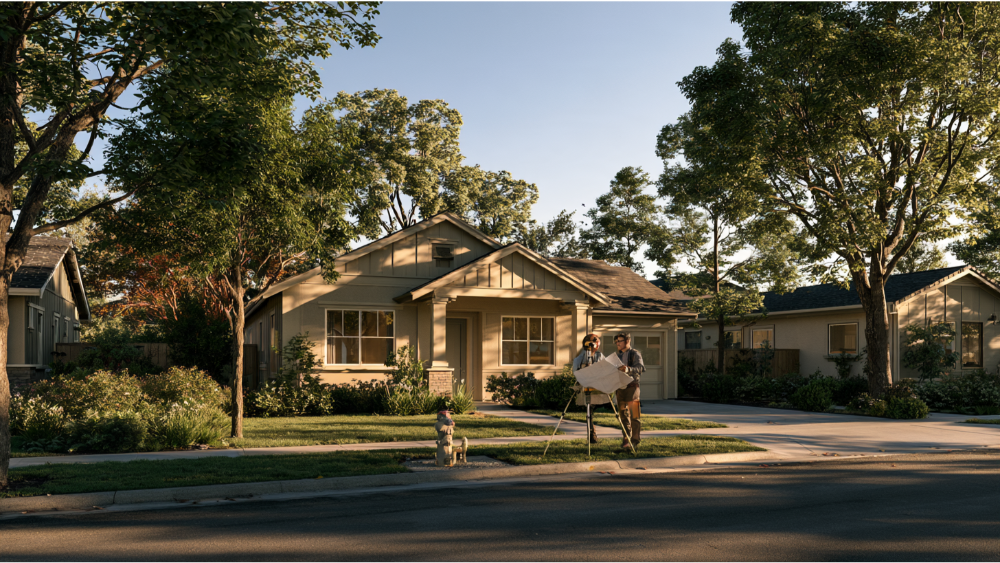
A legal split is also a design, access, utility, title, and permitting decision. Whether your goal is a separate sale, a home for family, or long-term rental income, buildability is where projects succeed or stall. A separate APN does not guarantee a parcel can be developed. Each resulting lot generally needs independent access to a public right-of-way and its own water and sewer connections. City objective standards and local design standards, for example, look for about 20 feet of developed frontage (or a qualifying easement), separate utilities, and even color photographs in the application. Tentative and final maps are prepared by a licensed surveyor, and a basic CEQA review may apply.
Before you buy property or pay for plans, gather the data and check these red flags:
- Narrow frontage or awkward existing home placement
- Easements and title restrictions
- Protected trees, drainage, or flood-hazard constraints
- Utility extension needs and fire-access requirements
- Proximity to schools, parks, and amenities that affect resale value and market demand
- Tenant history (a three-year lookback can restrict SB 9) or historic status
Keep timelines honest. The statutory 30-day completeness and 60-day approval periods start only after a complete application, not from day one of feasibility. Splitting can also trigger property tax reassessment, and new legal titles are created only after approval and recordation. Making a decision based on the advertised lot size alone is a mistake, so verify the real numbers first.
How Skyline Design Build Helps You Decide the Right Path
Your vision deserves an honest answer before you spend a dollar on plans. Because our drafting, site planning, utility and access review, permitting, and construction live under one group, we can test feasibility early and help you weigh a split against an ADU or two-unit project. We serve clients across Greater Sacramento and the San Francisco Bay Area. We would love to join you in your project and provide the confidence you need to move forward. For a free consultation, call (916) 701-9196 or reach us through our website at skylinebuildinc.com/contact.
Frequently Asked Questions About Splitting Land in Sacramento
What is the smallest lot that can be split under SB 9? Each resulting parcel must be at least 1,200 square feet, so the original lot generally needs to be at least 2,400 square feet, subject to the 60/40 rule.
Do I have to live on the property after an SB 9 split? Generally yes. Applicants typically sign an affidavit of intent to occupy one unit as a principal residence for at least three years.
Can I sell one of the parcels after splitting? After approval and recordation, each parcel receives its own legal title and APN and can usually be sold separately, subject to the owner-occupancy affidavit. That makes a future sale of one of the new homes possible.
What is the maximum rent increase allowed in Sacramento in 2026? Annual increases are capped under state and local rent rules, and limits change over time. Confirm the current figure and supporting information with the City before setting rent on a split-parcel unit.