Maximalist Interior Design: How to Create a Bold, Cohesive Home Without the Clutter
Key Takeaway
Maximalist interior design is a deliberate more-is-more approach that layers bold colours, patterns, textures, and meaningful objects around a unifying palette or story so every piece earns its place. Done well, it reads as curated abundance rather than clutter. A repeatable process, starting with function and an anchor piece, keeps even the boldest scheme cohesive and personal.
What Is Maximalist Interior Design?
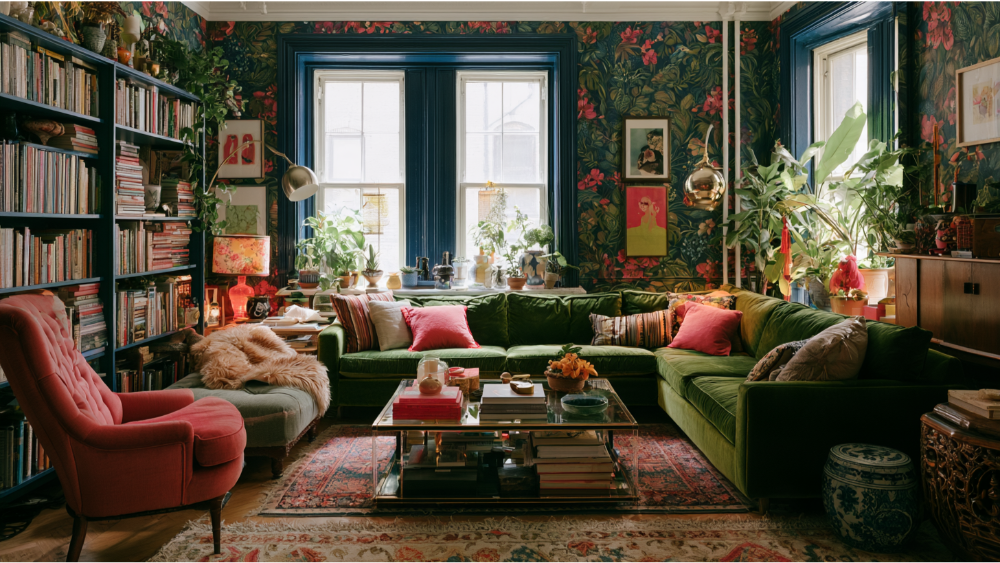
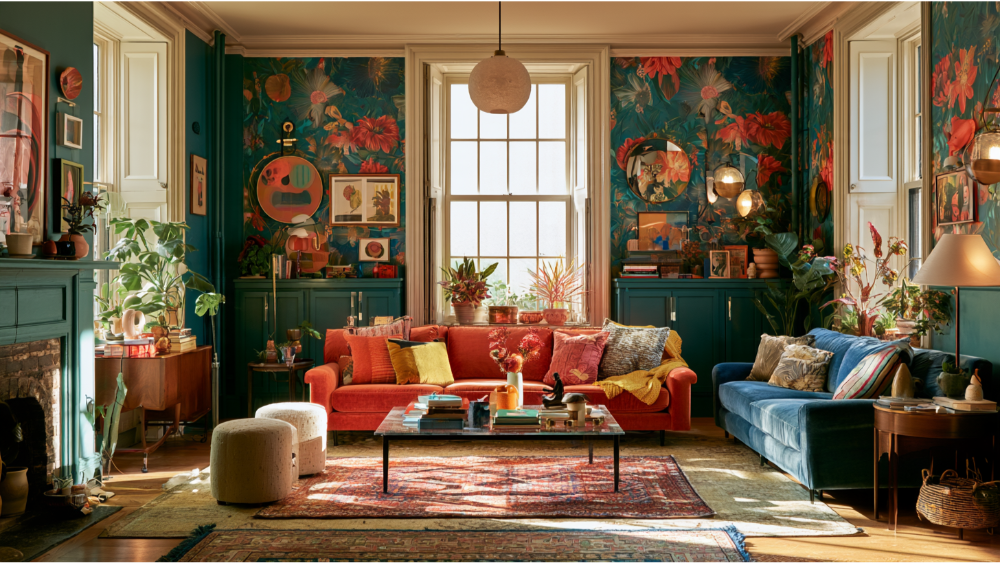
Maximalist interior design is an intentional "more-is-more" approach that layers bold colours, patterns, textures, art, and meaningful decorative elements around a unifying palette or story. Done well, it reads as curated abundance, not clutter. Every piece earns its place by adding to the room's narrative, which is what separates maximalism from minimalism's restraint. If you have a bold vision but worry it will tip into chaos, this is your plan. We'll walk you through a repeatable method, from first idea to finished space, so your home feels like a confident expression of your personality rather than a pile of beautiful things. Treat it as self expression made physical, a home that tells people who lives there.
Is Maximalist Design Still in Style in 2026?
Yes, and the direction is toward more personality, not less. The American Society of Interior Designers' 2026 Trends Outlook points to a return to maximalism built on saturated colors and visible individuality. In a November 2025 survey of 468 design professionals worldwide, 39% named maximalism as likely to stay popular in 2026, up from 34% in 2023. That's a trade-panel sample, not a read on every homeowner. Design publications like Architectural Digest have tracked the same shift. The deeper point: personal expression in interior design outlasts any single new trend, color, or style.
Maximalism vs. Clutter, Eclectic, Bohemian, and Minimalism
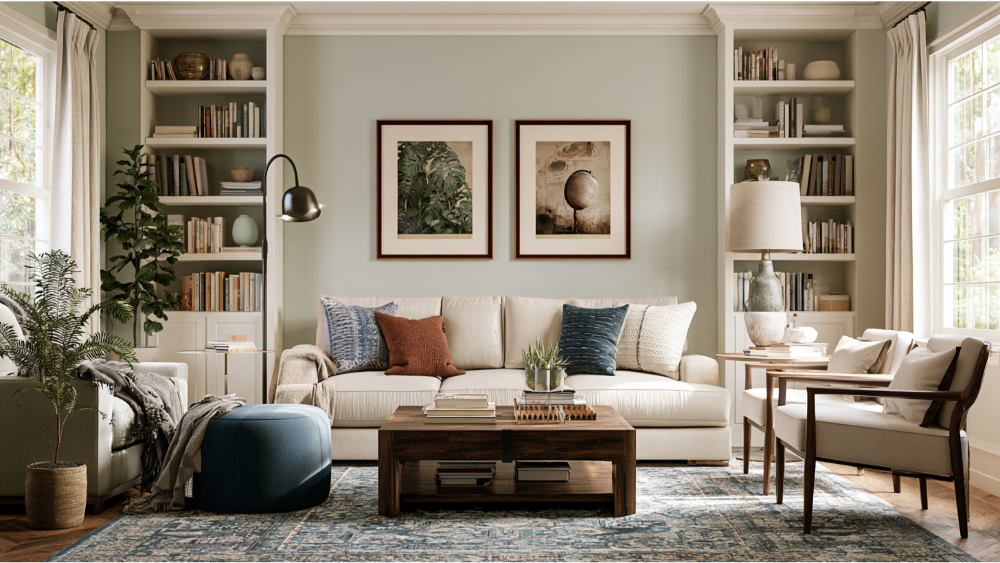
The difference between maximalism and clutter is intention. One is a composition. The other is accumulation. In the same survey, eclecticism followed close behind maximalism at 38%, which shows how much these styles overlap while staying distinct. The goal of a maximalist home is balance, not excess: a sense of layered richness that still feels resolved.
| Approach | Primary characteristic |
|---|---|
| Maximalism | Deliberate visual abundance and layering of colors, patterns, and textures |
| Eclectic design | A mix of styles or periods, which may be restrained or abundant |
| Bohemian design | Relaxed, globally influenced, handcrafted and organic layers |
| Clutter | Accumulation without organization or visual hierarchy |
| Minimalism | Reduction, restraint, and emphasis on essential elements |
A Brief History of Maximalist Interiors
Maximalism isn't one moment. It's a continuum. You can trace its spirit through Baroque and Rococo ornament, Victorian collecting and pattern mixing, the geometry and shapes of Art Deco, and the glamour of Hollywood Regency. It surged again in the 1980s as a reaction to minimalism. Modern maximalist design is the contemporary take: it keeps cleaner lines and current silhouettes while layering boldly, mixing old and new, statement furniture, and sculptural lighting. The result is a style that feels fresh rather than fussy, drawing on other styles without copying any one of them.
The Principles That Make Maximalist Interiors Cohesive
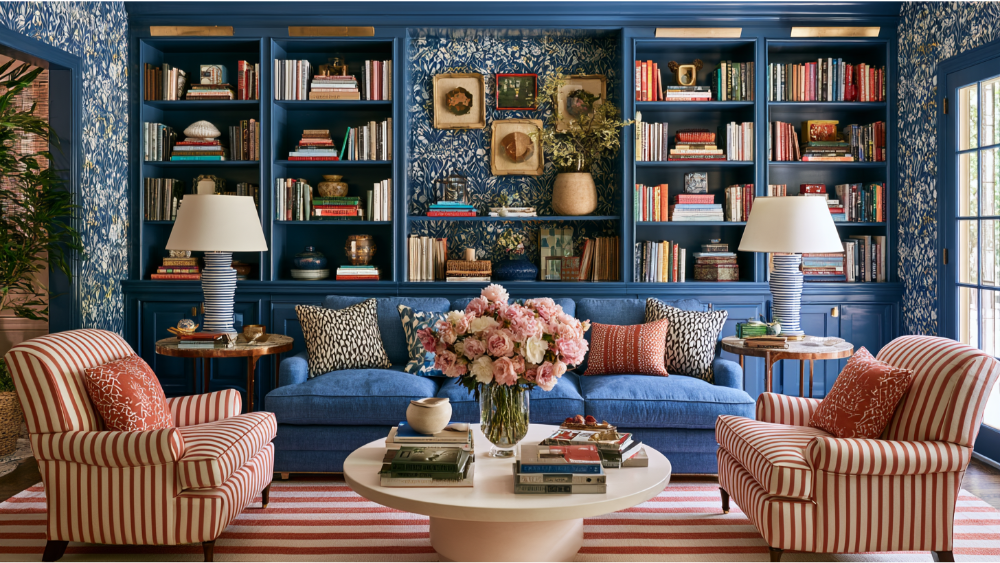
Repetition is what turns abundance into harmony. A maximalist room can hold all the things you love and still feel resolved when it follows a few principles:
- Function before decoration. The room has to work before it dazzles.
- A clear mood or story that ties the pieces together.
- One or two statement anchor pieces that set the tone.
- Repetition of colors, materials, or motifs across surfaces and walls.
- Variation in pattern scale so motifs don't compete.
- Visual hierarchy that tells the eye where to land first.
- Intentional pauses, the breathing room that keeps density from reading as noise.
- Closed storage behind open display.
- Lighting treated as part of the composition.
A Step-by-Step Maximalist Interior Design Process
A collected home still benefits from a plan. Here's the sequence our designers use to create a cohesive maximalist interior:
- Define how the room must function.
- Inventory what you already love: art, books, inherited pieces, textiles.
- Choose an anchor piece or architectural feature to build around.
- Build a flexible color scheme.
- Create a material, texture, and pattern hierarchy.
- Plan furniture and circulation.
- Plan display space and concealed storage together.
- Design ambient, task, and accent lighting.
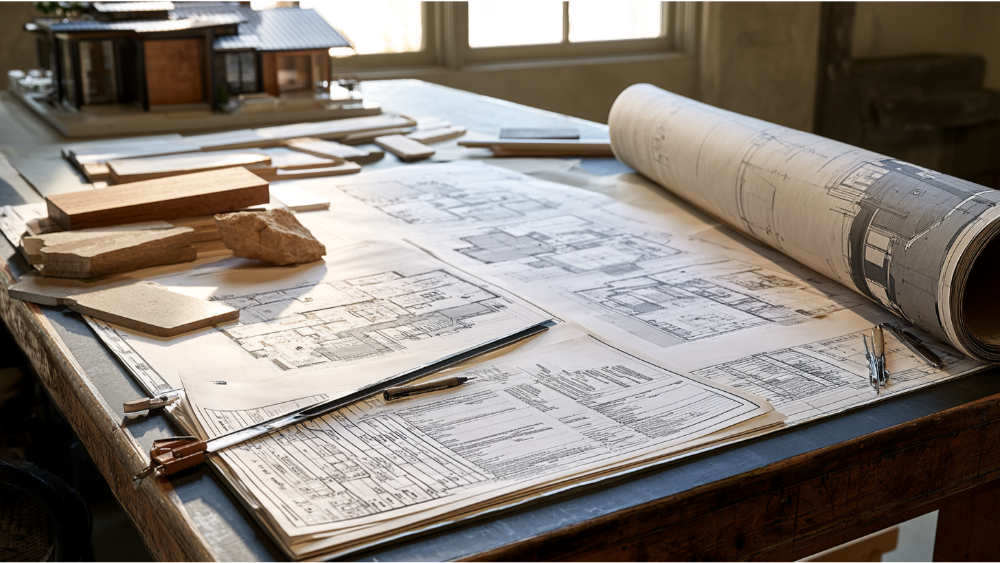
- Test the full composition with samples or 3D rendering and visualization before you commit.
- Install in phases, then edit once you've lived with it.
That ninth step matters most. Seeing bold combinations rendered before installation takes the fear out of a saturated wall or a patterned ceiling, giving you a perfect backdrop to judge the whole scheme.
Permanent vs. Reversible Maximalist Choices
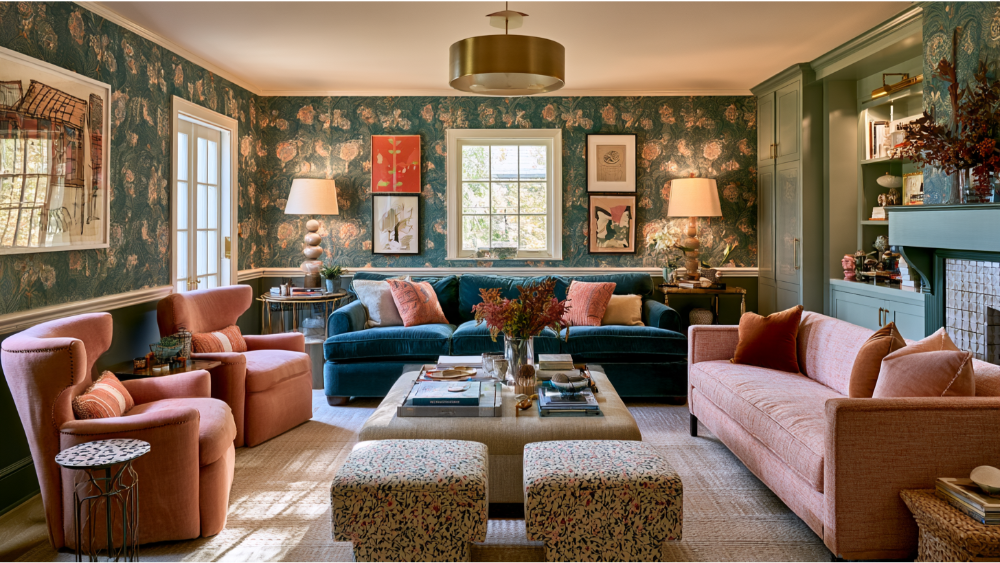
Separating permanent investments from decor that can evolve keeps your budget honest and your options open. Spend deliberately on what's hard to change. Experiment freely with what isn't, especially the textures, rich colors, and bold patterns you can swap out later.
| Permanent or higher-commitment | Easier to change |
|---|---|
| Cabinetry and built-ins | Art and collections |
| Tile and countertops | Pillows and throws |
| Hardwired lighting | Lamps and shades |
| Millwork and wall paneling | Rugs |
| Wallpapered ceilings | Curtains |
| Flooring | Decorative objects |
| Plumbing fixtures | Removable wall treatments |
How to Mix Bold Colours and Mixed Patterns Without Chaos
Maximalism is a spectrum, so there's no single right amount of color. These tips keep mixed patterns and colors coherent at any level:
- Start from one anchor: a textile, rug, artwork, tile, or wallpaper.
- Repeat selected colors across different surfaces to create continuity.
- Vary pattern size instead of lining up motifs at similar scales.
- Mix geometric shapes and organic patterns, such as florals, on purpose.
- Use solids, wood, stone, or negative space where the eye needs relief.
- Let contrast do the work, pairing bold colours with calmer textures so neither overwhelms.
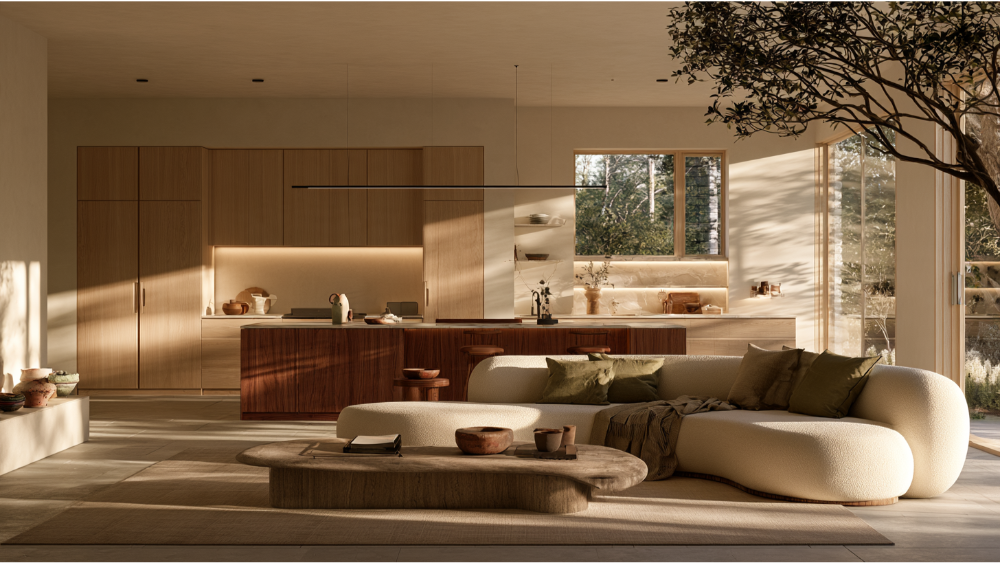
And bold color isn't mandatory. Full maximalism, soft maximalism (often called midimalism), and earthy or neutral maximalism are all valid. A quiet scheme layered with texture and pattern still counts as a maximalist interior, and a touch of velvet can add depth without a single bright hue.
Maximalist Spaces by Room: From Living Room to Bedroom
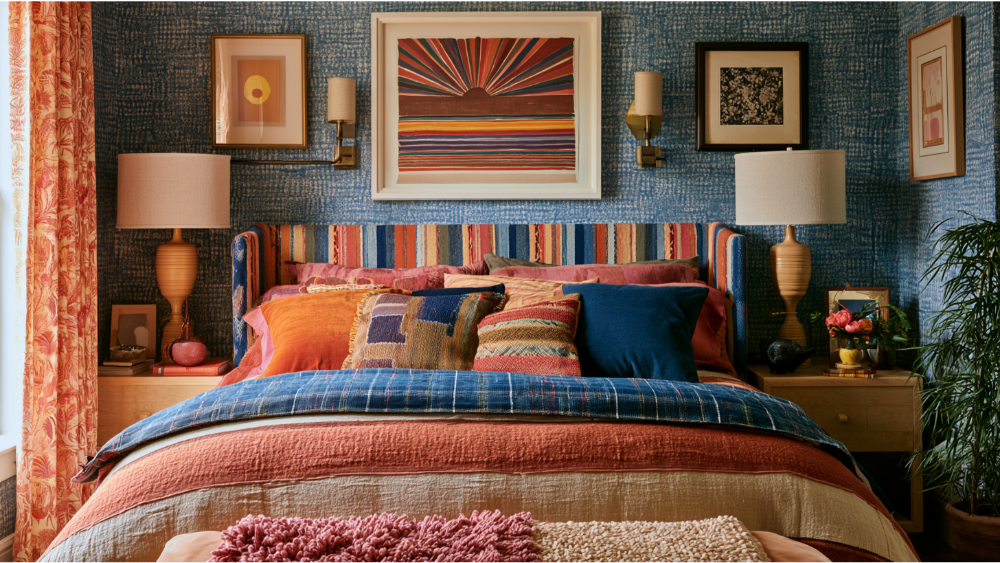
Keep each room grounded in how it's used, then let the energy of the colors and textures tell the story. These maximalist spaces each deserve their own focus:
- Maximalist living room: a gallery wall of eclectic art, layered rugs, mixed patterns, and an anchor sofa.
- Dining room: statement lighting, a wallpapered ceiling, and mixed seating that blend styles across periods.
- Maximalist bedroom: layered textiles, soft florals, and a bold headboard wall that makes the room feel inspired and expressive.
- Bathroom or powder room: patterned tile, bold wallpaper, and interesting mirrors, chosen for moisture suitability and easy cleaning.
- Kitchen: durable surfaces and mixed finishes that hold up to daily use.
- Entry: a concentrated hit of color and art to set a playful tone.
- Small rooms and apartments: color drenching and vertical display make tight spaces feel intentional instead of cramped.
Whatever the room, this is your own space, and the best maximalist interiors are filled with accessories and decorating choices that reflect the people who live there.
Safety, Upkeep, and Healthy-Material Notes
Ventilate well during painting, wallpapering, and adhesive work. The EPA notes several organic pollutants average two to five times higher indoors than outdoors, and "low-VOC" labels don't account for every emission, so follow product directions. For paid work that disturbs paint in most pre-1978 housing, EPA lead-safe renovation rules may apply (the minor-repair exception generally covers about six square feet of interior painted surface per room). Anchor tall bookcases, cabinets, and dressers (CPSC; the clothing-storage-unit tip-over standard took effect September 1, 2023). Use cord-safe window coverings with operating cords eight inches or shorter, and practice candle safety in homes with children or pets.
When Maximalism Becomes a Remodeling Project
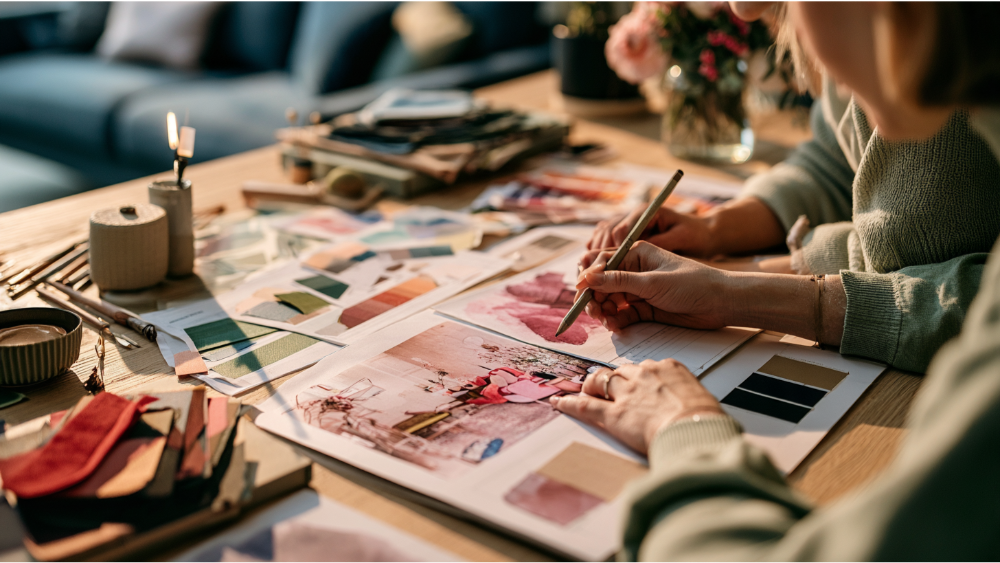
Some maximalist visions live in pillows and art. Others reach into the structure of the home. Coordination matters most when your plan involves custom built-ins, display cabinetry, new lighting or electrical work, wallpapered or paneled ceilings, multiple tile or stone patterns, custom millwork, floor-plan changes, or whole-home color continuity across more than one space. At Skyline Design Build, drafting, interior design, 3D rendering and visualization, and construction live under one roof, so our contemporary design team can help you test bold combinations before anything is installed, and you stay involved in every key decision. Let us be a source of inspiration as well as execution. We would love to join you in your unique project. Reach out for a free consultation at (916) 701-9196 or (415) 480-4607, or through skylinebuildinc.com/contact.
Frequently Asked Questions
What is minimalism in interior design?
Minimalism emphasizes reduction, restraint, and essential elements with clean lines and open space. It's the direct counterpoint to a maximalist interior's layered abundance of colors, patterns, and textures.
What is the difference between maximalist and eclectic design?
Eclectic design mixes periods and styles and can be quite restrained. Maximalism is deliberately abundant, layering colors, patterns, and objects around a unifying story to create a strong sense of personality.
Can a maximalist room use neutral colors?
Yes. Earthy or neutral maximalism layers texture and pattern instead of bright hues, so the room still feels rich and personal without saturated colors.
What is soft maximalism or midimalism?
It's a restrained middle ground between maximalism and minimalism. You get layered personality and curated objects with more visual breathing room, a comfortable balance between the two styles.
Can maximalism work in a small room or apartment?
Yes. Color drenching and vertical display make small spaces feel intentional rather than cramped, turning limited square footage into a strength.