Mid-Century Modern Interior Design: A Practical Guide for Today's Home
Key Takeaway
Mid century modern interior design is a function-first style rooted in mid-20th-century modernism, roughly spanning the mid-1940s through 1970, defined by clean lines, organic forms, warm natural materials, and a strong indoor-outdoor connection. It rewards restraint over clutter. Emphasize proportion, comfort, and purposeful simplicity rather than recreating a themed 1950s room.
The warmth of real wood, the quiet confidence of a clean line, the way a low sofa invites you to actually sit down and stay: it makes sense that so many homeowners are drawn to mid century modern. Mid century modern interior design is a function-first style rooted in mid-20th-century modernism, combining clean lines, organic forms, warm natural materials, newer manufactured materials, and a strong connection to light and the outdoors. This comprehensive guide is written for anyone deciding whether to decorate, refresh finishes, or remodel, because each of those paths asks something different of you. To use the style well today, emphasize proportion, comfort, and purposeful simplicity rather than recreating a themed 1950s room.
What Is Mid Century Modern Interior Design?
Mid century modern is a branch of the broader modernist movement, applied to homes, furniture, and everyday objects. It favors clean lines and very little applied ornament, with form following the way people actually live. Instead of carving and decoration, you get honest materials, thoughtful proportions, and rooms that flow into each other and out toward the yard. The mid century modern style rewards restraint, and a well-planned mid century modern home feels calm rather than busy.
It helps to separate three terms. "Modern" refers to the larger 20th-century modernist tradition. "Mid century modern" is the specific design style from the middle decades of that century. Generic "retro decor" simply borrows a few recognizable shapes, often without the discipline behind them. The difference matters because this modern design is defined by its logic, not by any single orange chair. Even one or two iconic designs placed thoughtfully can carry a room more than a crowd of lookalike pieces.
What Years Are Considered Mid Century Modern?
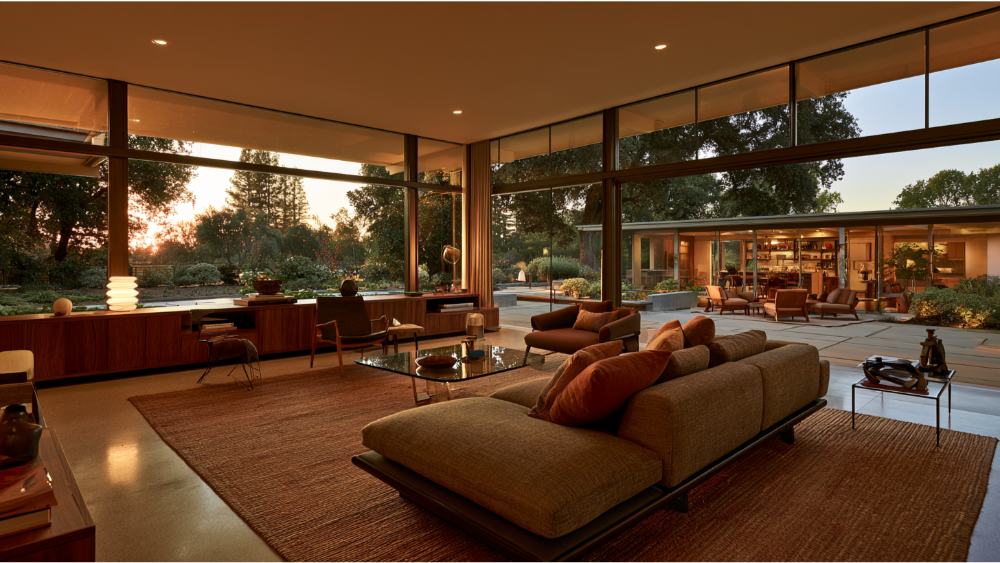
There's no single agreed-upon date range. Docomomo U.S. uses roughly 1933 to 1965, while the National Park Service often applies a postwar context of 1945 to 1970. Consumer design guides tend to land on the mid-1940s through about 1970. A fair way to describe it: modernist design from the middle decades of the 20th century, especially the years after World War II through the late 1960s. One practical note for owners of original homes: a house built between 1945 and 1970 is roughly 56 to 81 years old in 2026, which can matter when you start planning changes.
The History and Influences Behind the Style
The style grew out of postwar life. Families needed homes quickly, lifestyles were getting more casual, and new manufacturing methods and innovative materials made it possible to shape surfaces in ways that hadn't existed before. European modernism, particularly the Bauhaus and Danish Modernism, shaped the clean geometry and respect for materials. Art deco had already loosened the grip of heavy ornament a generation earlier, and designers built on that momentum. Frank Lloyd Wright's organic approach pushed designers toward homes that connect with nature and light. The optimism of the era ran deep, and when the first Soviet satellite launched in 1957, that same forward-looking spirit showed up in the atomic and space-age motifs of the time.
Affordability was part of the original idea, not an afterthought. MoMA's Good Design program, which ran from 1950 to 1955, evaluated products on appearance, function, construction, and price together. Good design was meant for regular households. The term itself was popularized later by Cara Greenberg's 1984 book Mid-Century Modern: Furniture of the 1950s, which gave a name to a look people had already loved for decades. Explore that history and you'll find the look was never about nostalgia for its own sake.
The Defining Characteristics of a Mid Century Modern Interior
These are the traits that make a room read as genuinely mid century, rather than simply stocked with vintage-looking furniture. The defining characteristics below show up again and again in authentic rooms.
| Element | What it looks like |
|---|---|
| Clean lines | Horizontal and geometric shapes with crisp edges |
| Organic curves | Soft, nature-inspired shapes balancing the straight lines |
| Function-first planning | Every piece and layout choice serves daily life |
| Minimal ornament | Little to no carving or applied decoration |
| Warm wood grain | Visible walnut, teak, oak, and similar tones |
| Mixed materials | Natural materials paired with newer manufactured ones |
| Open sightlines | Open floor plans that flow visually into one another |
| Indoor-outdoor connection | Large windows and easy access to the outdoors |
| Built-in storage | Efficient use of space with integrated cabinetry |
| Purposeful color | Earthy base tones with a few deliberate accents |
You don't need all ten at full volume. The best mid century rooms pick the ones that fit the house and let them breathe. White walls, warm wood, and generous natural light often do the heavy lifting. The goal is to create spaces that feel cohesive, where the architecture and the furniture agree with each other and share a timeless aesthetic.
Decide What Kind of Mid Century Project You Want
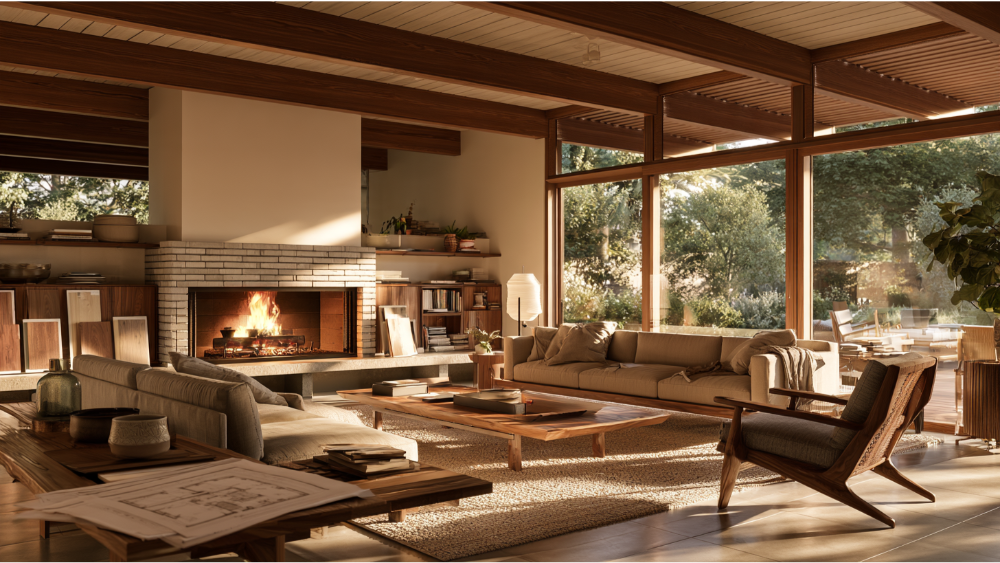
Before you buy a single lamp, decide how far you want to go. These three paths shape everything else, and the right one depends on your home, your budget, and how much of the style you want to live inside.
Decorate Without Remodeling
The lowest-commitment path works entirely through furnishings. Swap in low-profile seating, add sculptural lighting, layer a graphic rug, and bring in mid century wall art and textiles with the right warmth. A couple of mid century modern chairs can set the tone for an entire living room without any construction at all. A fresh paint color and simple window treatments can shift the whole mood. Nothing structural changes, and you can test the style before going further.
Refresh Finishes and Fixtures
This middle path updates the surfaces you touch every day: flooring, cabinet fronts and hardware, a smarter lighting plan, interior doors, fireplace finishes, and a few selective built-ins. It's more involved than decorating but stops short of moving walls, which makes it a good fit for homes that have good bones but tired finishes.
Remodel or Build Around Mid Century Principles
The full path works at the level of the house itself: layout and sightlines, window and door placement, custom cabinetry, material continuity from room to room, and real indoor-outdoor connections. Multifunctional furniture and integrated lighting and technology help smaller footprints live larger. This is where an integrated design-build team earns its keep, because drafting, interior design, and construction all have to agree before the first wall moves.
How to Build a Mid Century Modern Color Palette
The orange-mustard-avocado cliché is the fastest way to make a room look like a costume. A better palette starts with what's already fixed in the space: your wood tones, stone, and existing finishes. Build a warm neutral base around those, then choose one dominant accent and one supporting accent. Saturated period colors work beautifully when used selectively. Think a burnt orange pillow, an olive green chair, or a single mustard yellow wall rather than all of them at once.
Color behaves differently against wood. Bright accents pop against both light and dark grains, while earthy shades often come through the furniture finishes themselves. Always test paint swatches in the actual room at different times of day. North light, south light, and your own fixtures will change a color more than any photo ever shows.
Innovative Materials That Make the Style Feel Authentic
Mid century modern design married natural materials with the manufacturing breakthroughs of its era. A convincing palette usually draws from:
- Wood and wood veneer, especially walnut, teak, and oak
- Molded plywood
- Brick, stone, and concrete
- Glass, used generously for light and views
- Metal, including steel and aluminum
- Fiberglass and plastics
- Laminates and resilient surfaces
- Upholstery and natural textiles like wool and leather
Charles and Ray Eames showed what this combination could do, shaping molded plywood and fiberglass into chairs built around the human body. Brands like Herman Miller carried those ideas into production and still do. That's the lesson worth borrowing: materials chosen to solve a problem, not just to look the part. When mixing, keep the number of materials in any one room limited. Two or three working together feel intentional; six compete.
Furniture, Lighting, and How to Choose Furniture That Sets the Tone
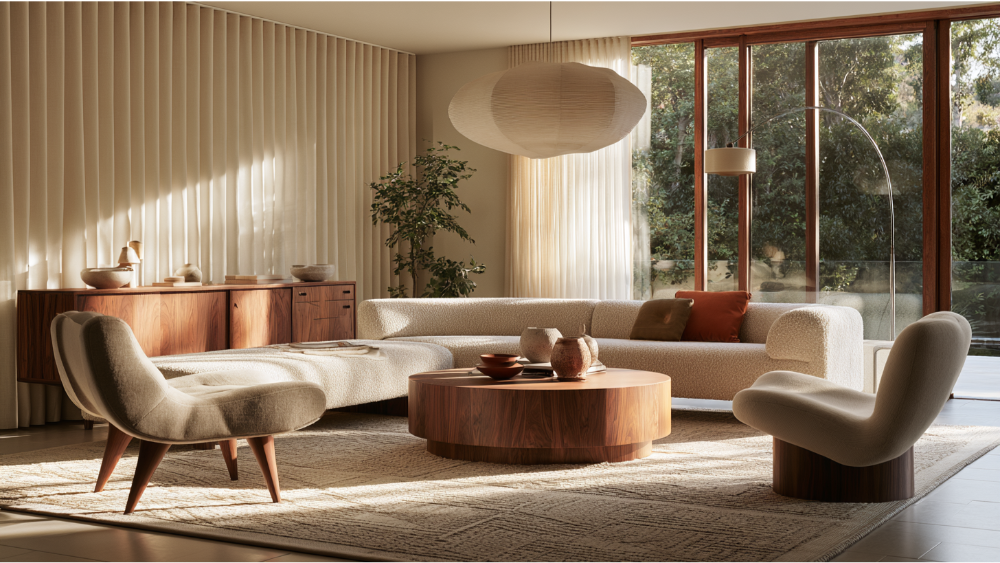
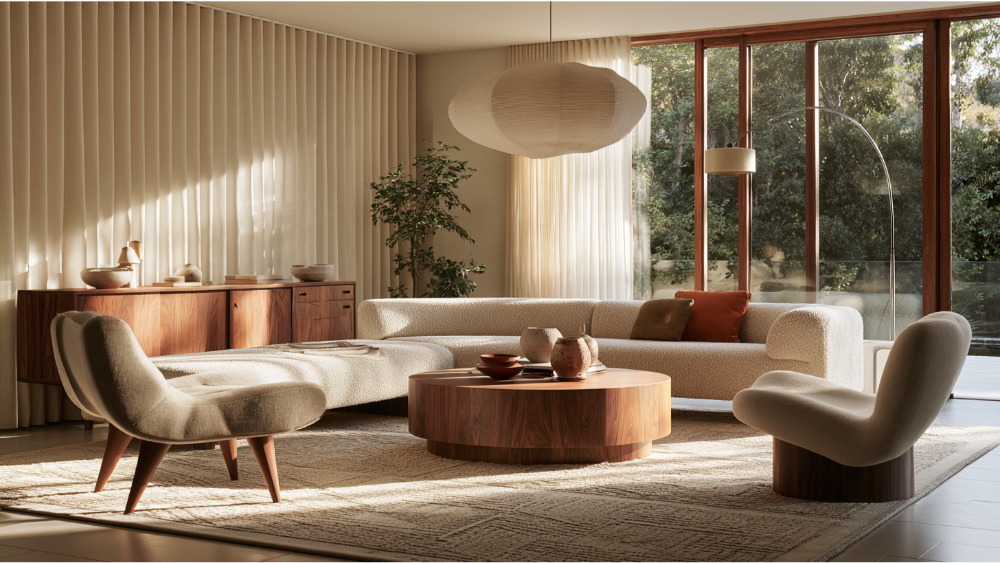
Mid century modern furniture sits low and reads as visually light, often on tapered legs or hairpin legs, but low shouldn't mean uncomfortable. Sit in it before you commit. Statement lighting does a lot of the work here: a sculptural pendant or an Arco lamp can anchor a room as a genuine focal point, and even a single well-chosen light fixture changes how a space feels. Add graphic rugs, a few pieces of wall art, handmade ceramics, snake plants, and other greenery to pull the outdoors in.
Resist the urge to buy a matching set. A room where every piece came from the same collection looks staged rather than lived in, so mix eras and let the furniture pieces converse. You can choose furniture from vintage originals or newer contemporary pieces and modern furniture inspired by the period; both are valid, and a mix often reads best. Pairing a vintage credenza with a cleaner contemporary design keeps the room from feeling frozen in time. One safety note: anchor top-heavy dressers, bookcases, and televisions, especially where children live or visit. The federal stability standard for new clothing storage units took effect September 1, 2023, and vintage pieces predate it, so don't assume an old dresser is stable on its own.
Mid Century Modern Design Ideas Room by Room
Living Room
Arrange seating for conversation rather than aiming everything at a screen. In the living room, give the fireplace or a window wall the role of focal point, keep circulation paths clear, and layer your lighting between overhead, table, and floor sources so the mid century modern living area works at any hour. A pair of low chairs angled toward the sofa does more for the room than another bulky recliner.
Kitchen and Dining
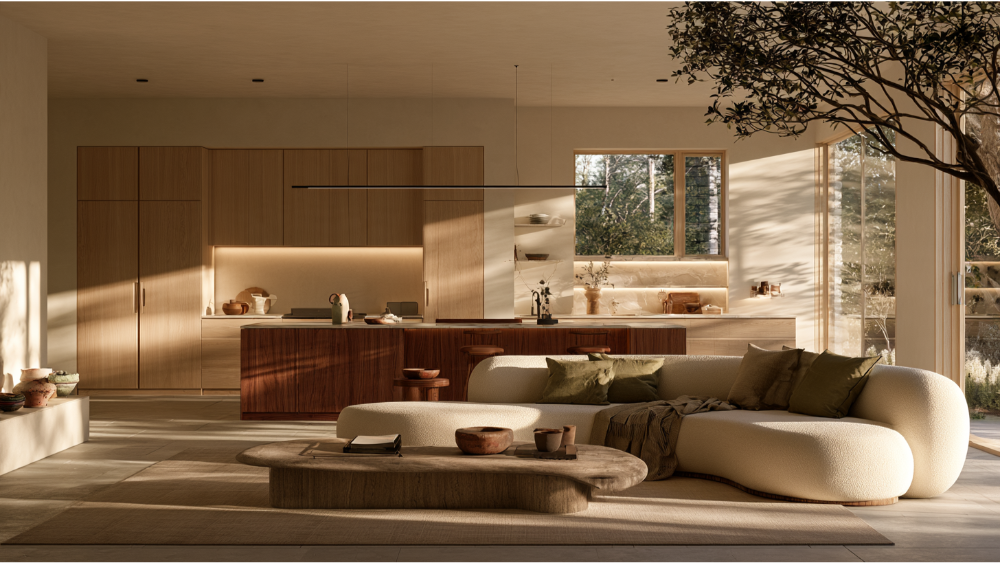
Flat or minimally detailed cabinetry keeps the lines clean. Pair warm wood with durable contemporary surfaces, build in efficient storage, and set a simple, clean-lined dining table surrounded by lightweight chairs at the center. You can honor the period influence without giving up the function a modern kitchen demands.
Bathroom
Geometric tile, a warm wood vanity, and simple fixtures capture the look. Behind the finishes, contemporary waterproofing and ventilation protect the space, which matters more in a bathroom than style ever will.
Bedroom
Keep furniture low-profile and storage uncluttered. Warm textiles and soft, indirect lighting make the room restful, and leaving a little breathing space around each piece reinforces the calm the style is known for.
Remodeling an Original Mid Century Modern Home
If you own a genuine mid century house, start by documenting what you have before you change anything. Walk the home and note its character-defining architectural features: the original room proportions and sightlines, built-ins and room dividers, wood paneling and cabinetry, a brick or stone fireplace wall, exposed beams or a post-and-beam ceiling, and the original doors, hardware, lighting, flooring, and tile. Large windows and their connection to the outdoors are often the heart of the house.
Check whether your home carries any historic status. The National Park Service generally considers properties at least 50 years old for National Register evaluation, though age alone isn't enough, and requirements vary by location. Following NPS rehabilitation standards, favor repairing original features over replacing them, and when something is too far gone, choose compatible replacements rather than a false historical copy.
Safety Checks Before Disturbing Original Materials
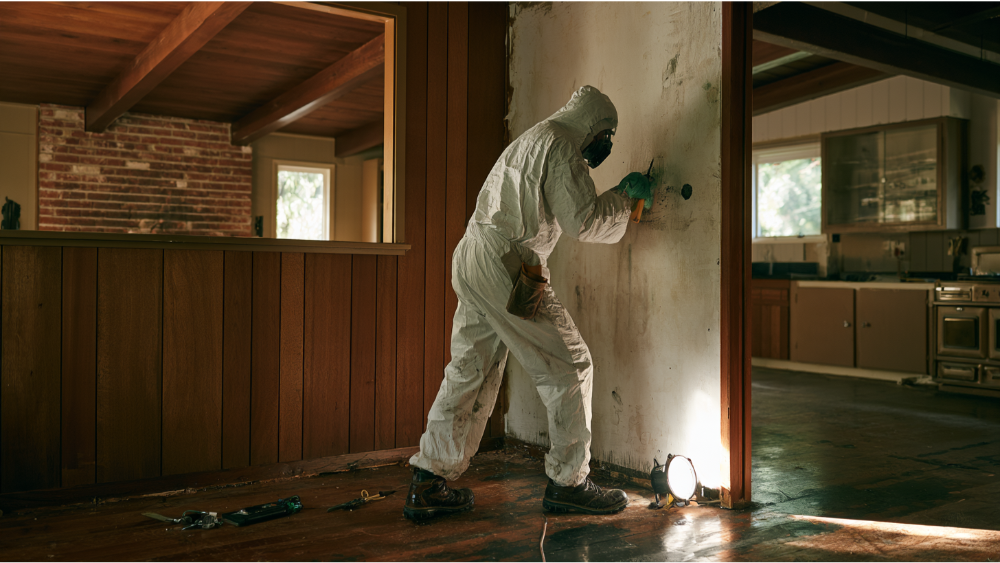
Older homes carry a few risks worth handling before the fun part starts:
- Lead paint. The EPA estimates about 75% of homes built before 1978 contain some lead-based paint. Paid work that disturbs paint in covered housing must use a certified lead-safe firm. Minor-repair thresholds sit around 6 square feet inside and 20 square feet outside, with exceptions, and demolition and window replacement are not exempt.
- Asbestos. You can't confirm it by looking. The EPA says only lab testing is reliable, so test suspect materials before disturbing them, but don't assume every home contains it.
- Aging systems. Have electrical, plumbing, ventilation, and structure assessed before you build on top of them.
- Anchoring and permits. Secure heavy furniture and televisions, and confirm local code and permit requirements. We handle permitting across our service area, so this part doesn't have to fall on you.
Common Mid Century Modern Design Mistakes to Avoid
- Treating the room like a period movie set instead of a home
- Overloading the space with iconic pieces
- Defaulting to orange, mustard, and avocado on every surface
- Buying low furniture and chairs without checking that they're comfortable
- Ignoring the architecture and proportions of the house
- Painting original wood or brick before assessing it
- Removing built-ins before understanding what they do
- Matching every piece of furniture
- Prioritizing looks over storage and daily use
- Starting demolition before material and preservation assessments
From Inspiration to a Cohesive Design Plan
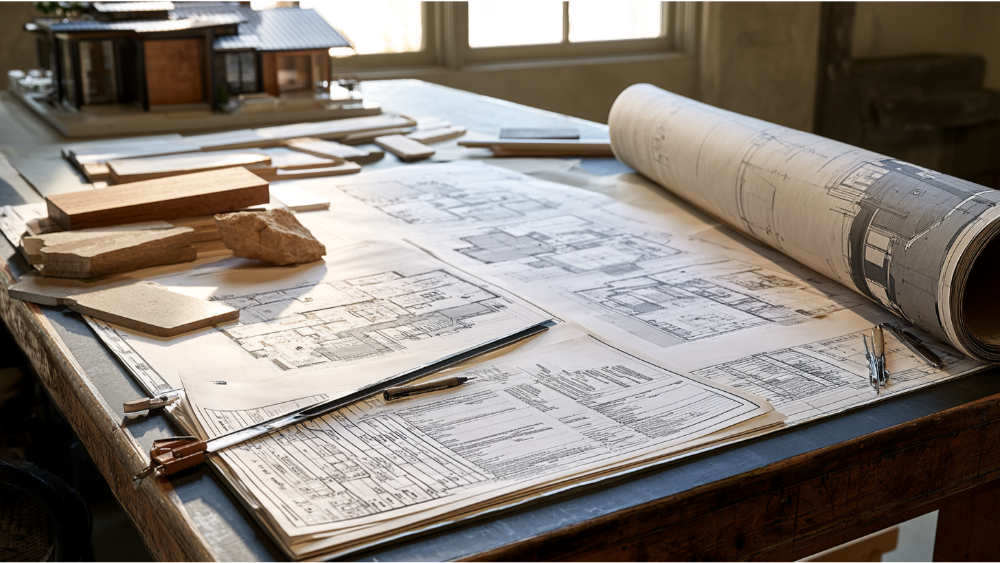
A folder of saved images becomes a real home through a clear sequence. Start by naming your vision alongside your practical needs. Measure and document the existing conditions honestly. Set priorities and a realistic scope so the budget goes where it matters most. From there, develop drawings and material selections together rather than in isolation, and use 3D rendering and visualization to test wood tones, furniture scale, sightlines, lighting, and color before anything is committed. That step is the answer to the fear that the finished space won't match what you pictured.
This is where keeping drafting, interior design, and construction under one team pays off. Our designers and construction crew stay in step, so design decisions and building requirements never drift apart, and the project ends with a final walkthrough and the details that make a house feel finished. When you choose pieces and finishes, honest scope-setting will always serve you better than a shopping list of expensive statement pieces.
Start Your Mid Century Modern Project With Skyline Design Build
Bring your vision, your priorities, and your questions, and we'll help you shape a plan that actually fits your home and budget. We would love to join you in your unique project, whether that's a few thoughtful updates or a whole-home remodel. We serve Greater Sacramento and the San Francisco Bay Area. For a free consultation, call us at (916) 701-9196 or (415) 480-4607 in the Bay Area, email [email protected], or reach out through our website contact form.
Frequently Asked Questions
What are the key differences between mid century modern and transitional interior design styles?
Mid century interior design is function-first, with clean lines, warm wood, and defined modernist forms. Transitional design blends traditional and contemporary elements for a softer, more neutral look without committing to a single period.
Can I use mid century modern furniture in a traditional or contemporary home?
Yes. Choose a few select statement pieces, a credenza or a pair of chairs, and mix them with what you already own rather than buying a matching set. One strong piece can carry the style without taking over the room.
What is the 3-5-7 rule in decorating interior design?
It's the habit of grouping decor in odd numbers, usually three, five, or seven, because odd groupings read as more balanced and natural to the eye. It fits mid century styling well, since the goal is purposeful, uncluttered arrangements.
What items make a house look cheap?
Oversized matching furniture sets, overly literal theme decor, poor lighting, and cluttered surfaces all flatten a room. Purposeful simplicity and good lighting do the opposite.
What is the typical cost for an interior designer?
Costs vary widely by scope, location, and the services involved, so there's no single figure. Working with an integrated design-build team keeps design and construction decisions coordinated, which helps you understand what you're spending on and why.